
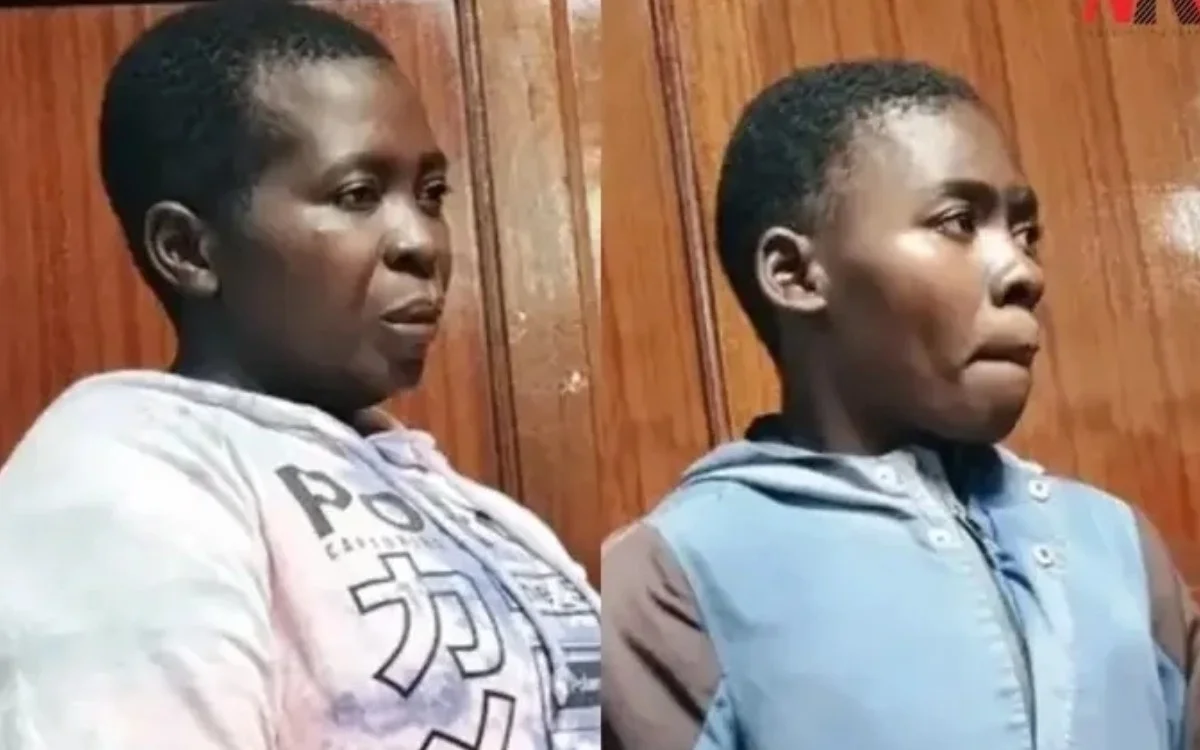
Two women from Kakamega County have escaped imprisonment after refunding KSh 33,952 that was mistakenly sent to their M-Pesa accounts, in a case highlighting the legal risks of spending money received in error.
Mary Nanjala and Roselyn Namukuru Nyongesa appeared before Milimani Senior Principal Magistrate Carolyne Mugo over the money, which was reportedly transferred from a stockbroker’s account at Co-operative Bank of Kenya in December 2024.
According to court reports, the money was sent to Nanjala’s M-Pesa account before being transferred to Nyongesa, who allegedly withdrew and spent the funds.
The two women pleaded for leniency, telling the court they had refunded the money and asking not to be jailed.
The case took a turn after the co-operative bank confirmed the refund. The women were subsequently discharged under Section 87(a) of the Criminal Procedure Code, although the magistrate reportedly warned that they could still face fresh charges.
Section 35 of Kenya’s Computer Misuse and Cybercrimes Act, 2018, criminalises intentionally withholding an electronic payment delivered to someone by mistake when it should be delivered to another person. The offence carries a maximum penalty of KSh 200,000, two years in prison, or both.
The women also faced charges under the Proceeds of Crime and Anti-Money Laundering Act (POCAMLA), which provides for severe penalties for specified offences involving proceeds of crime. Some offences under the Act carry a maximum prison term of 14 years and substantial fines, depending on the applicable provision.
The case serves as a warning to mobile money users against withdrawing, transferring, or spending money they know does not belong to them. Instead, recipients should contact Safaricom through official customer-care channels and follow the prescribed reversal process.
Money sent to your M-Pesa by mistake is not free money. Spending it could expose you to criminal proceedings.