
Alternatively, they are advised to use condoms properly every time to minimize risks. This guidance stems from scientific understanding that the virus can linger in bodily fluids like semen well beyond the point when patients test negative and return to normal life. Health officials hope this simple step will help break potential chains of transmission in communities already on edge.
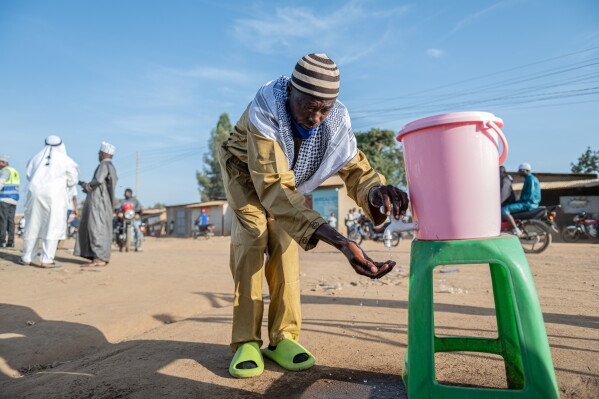
The advisory arrives as Uganda faces mounting pressure from a cross-border Ebola outbreak originating in the Democratic Republic of Congo. Recent days have seen new confirmed infections in Kampala, including among health workers, pushing the country's tally higher. Authorities are ramping up contact tracing and awareness efforts while reminding citizens of key warning signs such as sudden fever, extreme fatigue, muscle aches, vomiting, and bleeding. Early detection remains crucial, as timely medical care significantly improves survival chances in this challenging environment.
This precaution reflects broader regional concerns over the Bundibugyo strain of Ebola, which lacks a dedicated vaccine and has shown a notable fatality rate. The virus spread quietly for weeks in densely populated areas of eastern DRC before detection, complicating control measures. Uganda's response highlights the delicate balance health systems must strike between supporting survivors' reintegration into society and protecting public safety during active outbreaks.
By addressing this sensitive aspect of recovery openly, Ugandan officials aim to empower citizens with practical knowledge while reducing stigma around survivors. The message serves as a reminder that defeating Ebola requires vigilance long after the acute illness passes. As neighboring countries coordinate efforts, such targeted advice could play a vital role in containing the spread and safeguarding communities across East and Central Africa.