
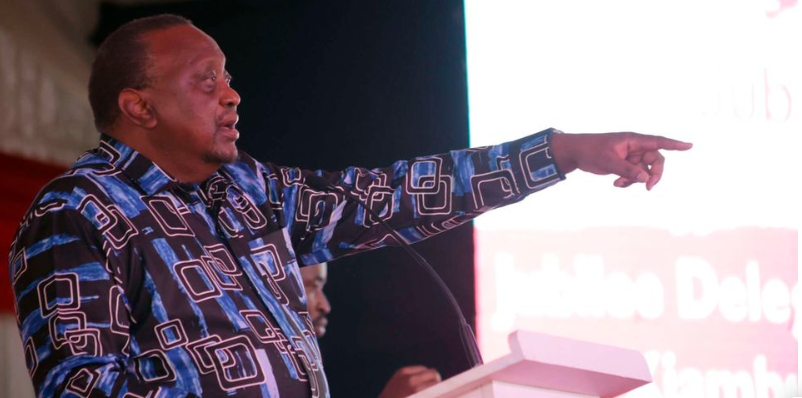
Speaking to Jubilee Party supporters and aspirants gathered in Kiambu County on May 25, 2026, the retired leader expressed deep concern over the persistent high cost of living, particularly soaring fuel prices that continue to burden ordinary households. Instead of tackling these pressing economic issues head-on, he observed that the government appears more focused on pointing fingers and creating distractions.
Kenyatta urged Kenyans not to fall for political blame games or ethnic divisions that risk stirring old tensions. He criticized what he sees as attempts to use him as a convenient scapegoat whenever public frustration grows, insisting that real leadership means listening to the people's cries rather than shifting responsibility. The former president revisited the 2022 campaign promises, questioning how the "hustler versus dynasty" narrative has truly improved lives for the average citizen. He encouraged voters to accept short-term offers wisely but make thoughtful choices at the ballot box in future elections.
The address highlighted growing political realignments ahead of 2027, with Jubilee Party positioning former Interior Cabinet Secretary Fred Matiang’i as its presidential candidate within a broader opposition coalition. Kenyatta called for unity based on issues and policies rather than tribal loyalties or personal attacks. His remarks come amid ongoing tensions in the Mt Kenya region, where both sides are fiercely competing for influence and support.
As Kenya's political landscape heats up, this latest intervention underscores the deep divisions between the former allies turned rivals. Kenyatta appealed emotionally to his supporters to choose genuine leaders committed to national progress over short-term politics. Whether his message resonates widely could shape the country's direction as citizens weigh economic hardships against promises of better governance.