
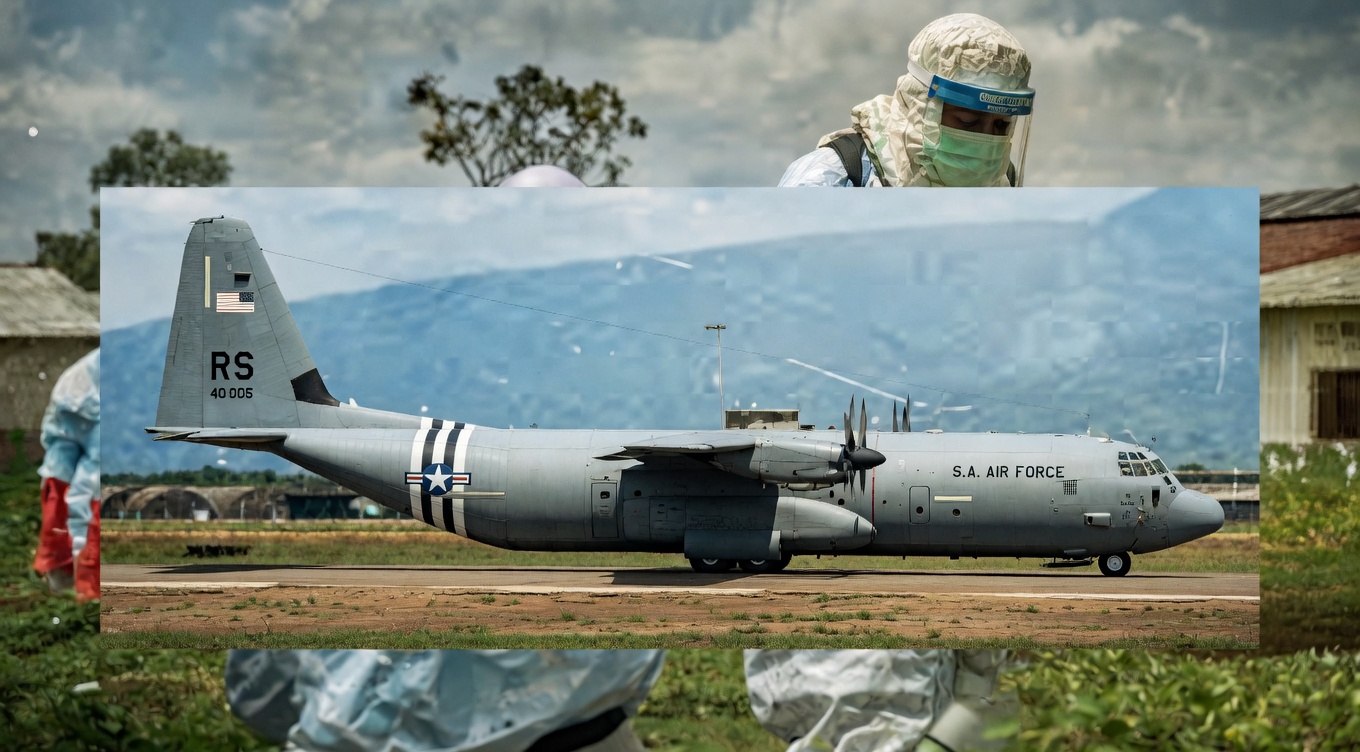
The arrival happened even though a Kenyan court had just issued an order halting the project, sparking widespread debate about sovereignty, public health, and international partnerships. Many locals and health workers watched with concern as the planes landed in the scenic central region, known more for its wildlife and military training than for handling infectious disease crises.
The facility, planned as a 50-bed unit for Americans potentially exposed to Ebola while working in the Democratic Republic of Congo, was meant to keep infected or at-risk individuals from returning directly to the United States. Kenyan authorities had partnered with the US on the initiative to strengthen regional biosecurity. However, the High Court stepped in following petitions from activists and medical unions worried about risks to surrounding communities, inadequate consultation, and possible threats to public safety.
Despite the legal suspension, reports indicate that American medical teams and supplies continued moving forward with preparations at the base. This move has fueled accusations of defiance and raised questions about the balance of power between foreign allies and Kenyan institutions. Supporters argue the partnership could enhance Kenya’s own disease surveillance and response capabilities, while critics fear it might turn the country into a dumping ground for high-risk cases from abroad.
As hearings loom in the coming days, this situation highlights deeper issues around global health cooperation during outbreaks. Residents near Laikipia express mixed feelings — some welcome potential economic benefits and expertise, others worry about tourism impacts and hospital strain. The episode serves as a reminder of the complex negotiations required when health emergencies cross borders, testing Kenya’s ability to protect its people while maintaining vital international relationships.