
The company's chief executive explained that this step may become necessary if problems in the supply chain continue because of the war involving Iran. He noted that the situation remains uncertain and could lead to even higher adjustments if the disruptions last longer. This development highlights how global events in one region can quickly affect everyday products used by millions of people around the world.
The conflict, which started in late February, has created serious challenges for moving goods and obtaining raw materials from the Middle East. Companies like Karex rely on certain substances, such as those used to make the latex or synthetic materials for condoms, as well as items for packaging and lubrication. These supplies have become more costly and harder to obtain in a timely way. As a result, the firm is passing on some of these extra expenses to its buyers to keep operations stable. Many other businesses in related fields are facing similar pressures from the strain on energy and chemical flows.
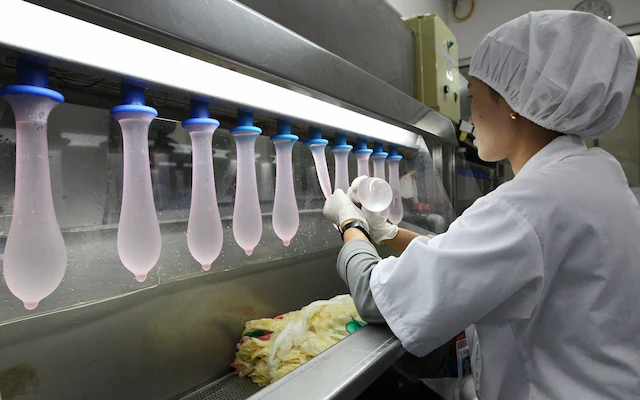
Karex manufactures billions of condoms each year and serves as a key supplier to well-known brands as well as public health programs in various countries. At the same time, the company has noticed a noticeable rise in demand for its products this year. This increase comes partly because many organizations and governments had reduced their spending on health supplies in the past, leading to lower stock levels in many places. Shipping times have also grown longer, with deliveries to major markets now taking nearly twice as long as before, leaving shelves emptier than usual in some regions.
The chief executive described the overall environment as fragile and pointed out that the company holds enough materials for the coming months while working to increase production where possible. However, the combination of higher costs and stronger need for condoms means that buyers may soon face higher prices on store shelves or through health services. This situation serves as a reminder of how interconnected the global economy is, where tensions in distant areas can influence the cost and availability of essential personal health items for individuals and communities everywhere. Experts suggest that close monitoring of the conflict and supply routes will be important in the months ahead to understand the full effects on consumers.