
Trade explainer · Sources checked 23 September 2026
A product can be bought in one country without acquiring that country’s origin for customs purposes. That distinction sits at the centre of how a business assesses potential trade preferences under the African Continental Free Trade Area.
The African Union’s rules-of-origin manual explains the criteria used to determine whether goods qualify as originating. The World Customs Organization also provides implementation guidance for the private sector.
Establish the product before pricing the benefit
The practical starting point is the product’s classification and the rule that applies to it. A trader should be able to explain where the goods were produced and, where relevant, how inputs were transformed. Simply shipping an imported product onward does not answer that question.
Keep invoices, supplier information and the appropriate production records. Ask the competent customs authority or qualified adviser which proof of origin is required for the planned movement.
Preference is not the whole border process
Origin is one part of the assessment. The destination’s applicable tariff arrangements, product standards and other import requirements must also be checked. Avoid promising a customer a duty saving before the relevant eligibility and documentation have been established.
For a Kenyan producer, this turns a continental opportunity into a concrete preparation task: know the product, document the supply chain and confirm the route.
This article does not certify a product as eligible or quote a tariff for a particular shipment. Those answers depend on the actual goods and trading arrangement.
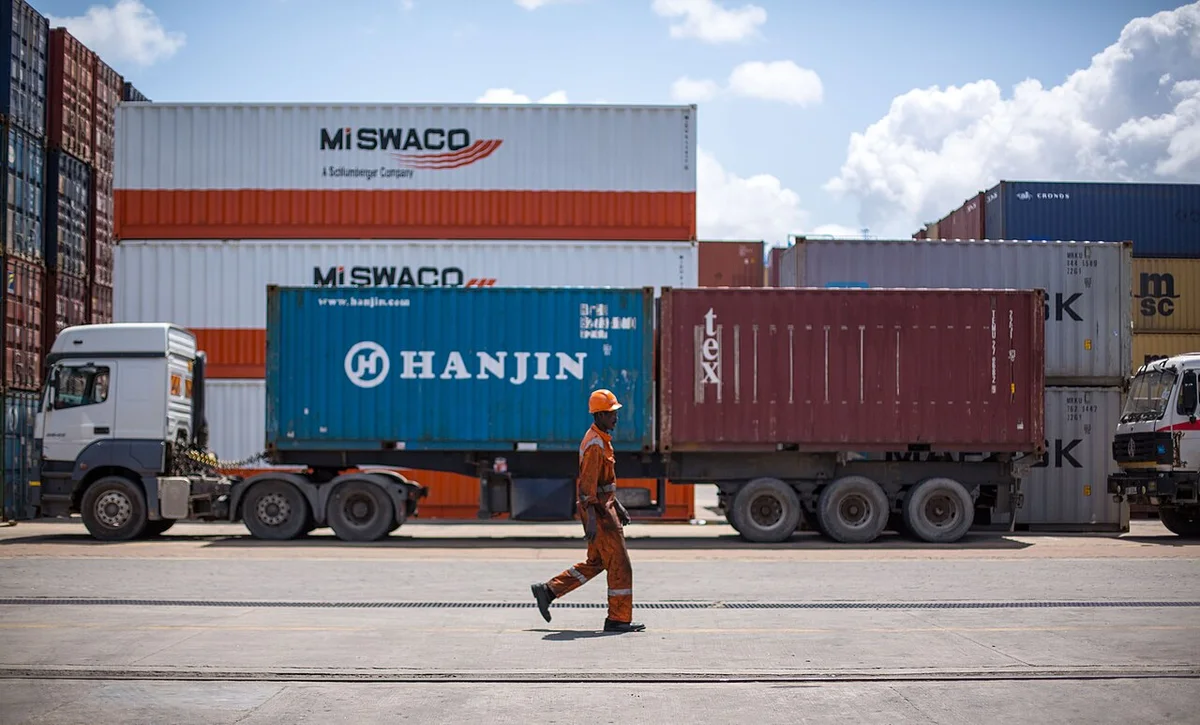
Reporting note: Prepared with AI assistance from the official sources linked in this article. Photo: Ministry of East African Affairs, Commerce & Touri / Wikimedia Commons, Public domain. Containers at Mombasa port, photographed in July 2015. Resized for display.
