
Payments explainer · Sources checked 23 September 2026
An invoice across an African border creates a practical question: how will the payment reach the supplier, in which currency and at what total cost? The Pan-African Payment and Settlement System, or PAPSS, is designed to address part of that problem through participating financial institutions.
In the system’s published workflow, the payer instructs a bank or payment-service provider in local currency. PAPSS validates the instruction and routes it to the recipient’s institution, which credits the recipient in their local currency. The operator says its near-instant process can complete within 120 seconds; that description should not be treated as an unconditional guarantee for every customer transaction.
Ask whether your actual route is available
PAPSS’s institutional model connects central banks, commercial banks and payment providers. That does not mean every account, bank or currency corridor is available to every customer.
Ask your bank whether it supports the intended destination, which details the recipient must provide and what compliance information is required. Obtain the quoted exchange rate, fees, expected receipt amount and process for tracing a delayed payment.
Compare the complete transaction
A useful comparison records what leaves the payer’s account and what arrives for the recipient. Looking only at a transfer fee can miss differences in conversion costs or intermediary deductions.
Keep the invoice and payment reference together. For a first transaction with a new supplier, agree the payment terms clearly before sending funds. This explainer describes the payment infrastructure; it does not verify a supplier or recommend a particular bank.
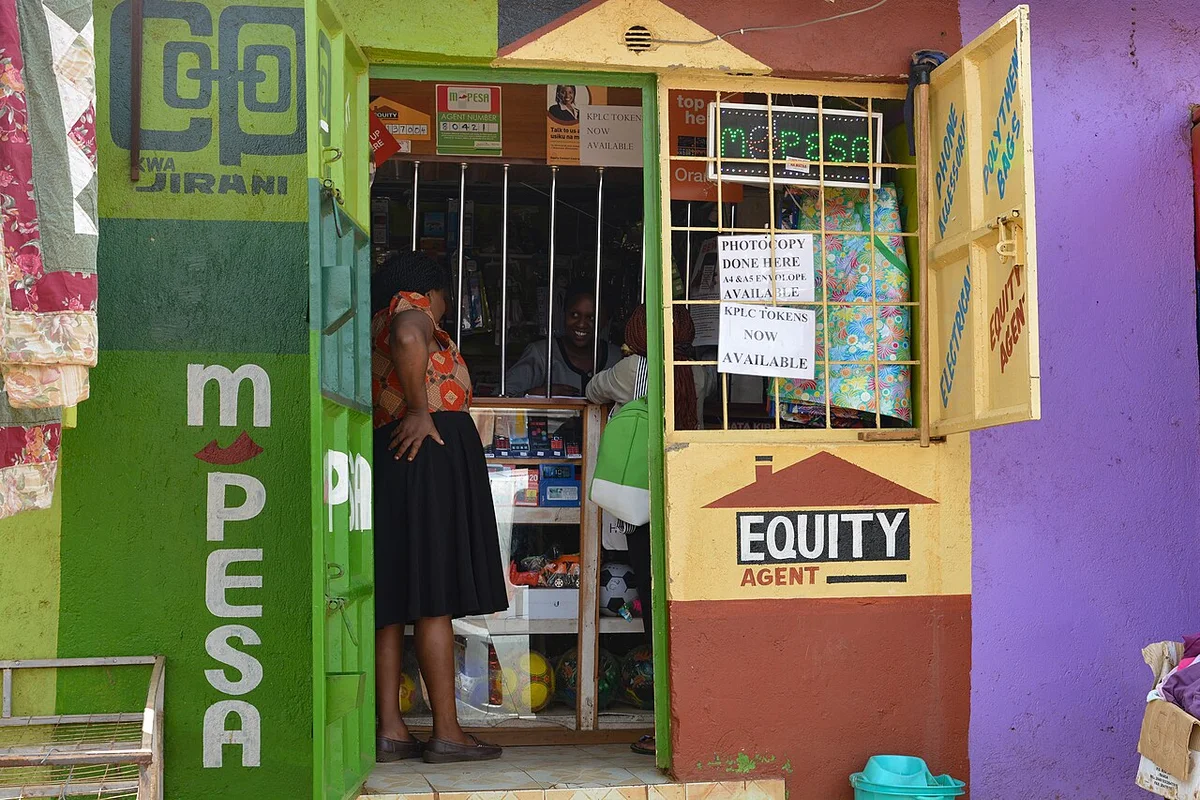
Reporting note: Prepared with AI assistance from the official sources linked in this article. Photo: Fiona Graham / Wikimedia Commons, CC BY-SA 2.0. M-PESA and Equity agent in Nairobi. Context photograph of mobile finance; not a PAPSS outlet or endorsement. Resized for display.
