
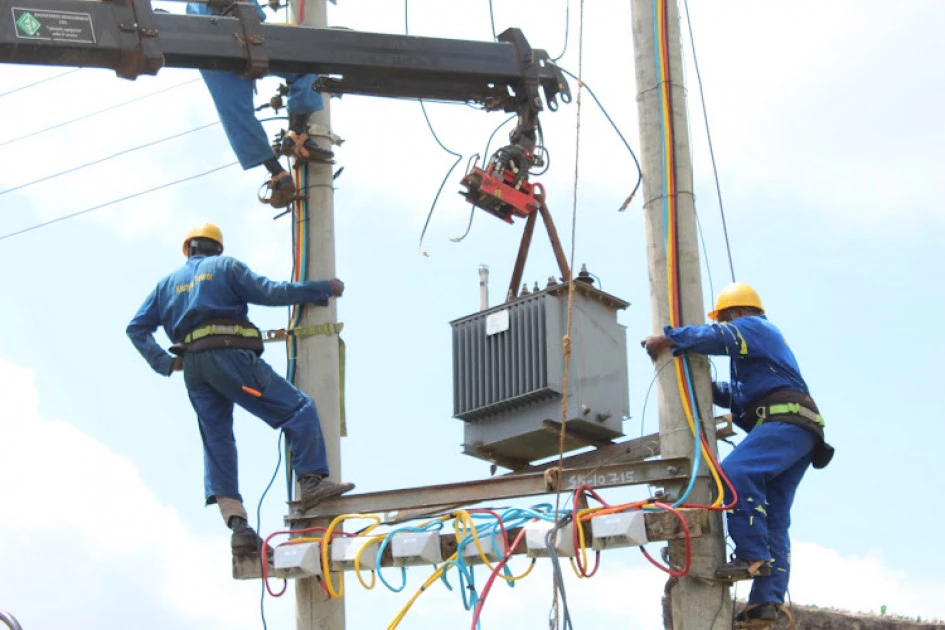
The decision requires the utility to first report any outstanding county debts to the Treasury, engage in proper dispute resolution channels and issue both written and public notices at least thirty days in advance before any disconnection can take place. The ruling arose from a public interest petition after earlier power cuts to several county offices triggered widespread concern.
The case stemmed from a February dispute in which the utility disconnected supply to Nairobi County premises over claimed arrears of three billion shillings, a figure the county contested while asserting that the company itself owed four point eight billion shillings in wayleave fees. Mediation by the Head of Public Service eventually restored the supply, yet the episode exposed deeper tensions between the two levels of government. The court classified the conflict as an intergovernmental matter that must follow constitutional cooperation procedures rather than unilateral action.
Judges rejected the utility’s argument that its status as a listed company placed it outside the constitutional duty to resolve disputes amicably. They noted that the national government holds a majority shareholding and appoints most board members, making the firm an instrument of the state in the electricity sector. “In substance, the first respondent is an agency and instrument of the national government in the electricity sector. Form must yield to substance,” the court declared, emphasising that corporate structure cannot shield it from obligations of comity.
Particular alarm was raised over threats to cut power to Pumwani Maternity Hospital, mortuaries, fire stations and night-time sanitation operations. The court found these threats constituted potential violations of the rights to life, dignity, healthcare and emergency medical treatment. “A threat by a monopoly supplier, with a proven record of carrying such threats out, to disconnect a maternity hospital is a threatened violation of the rights to life,” Justice Jairus Ngaah stated, underscoring the gravity of such actions against life-saving facilities.
While the judgment does not erase Nairobi County’s debt or stop lawful recovery efforts, it directs both parties, with facilitation from the Council of Governors and the Intergovernmental Relations Technical Committee, to refer their mutual claims to alternative dispute resolution within sixty days. The utility remains barred from disconnecting or threatening to disconnect hospitals, water and sewerage systems, fire stations, mortuaries and street lighting over financial disagreements until all prescribed steps are completed, safeguarding continuous service for the public across the country.