
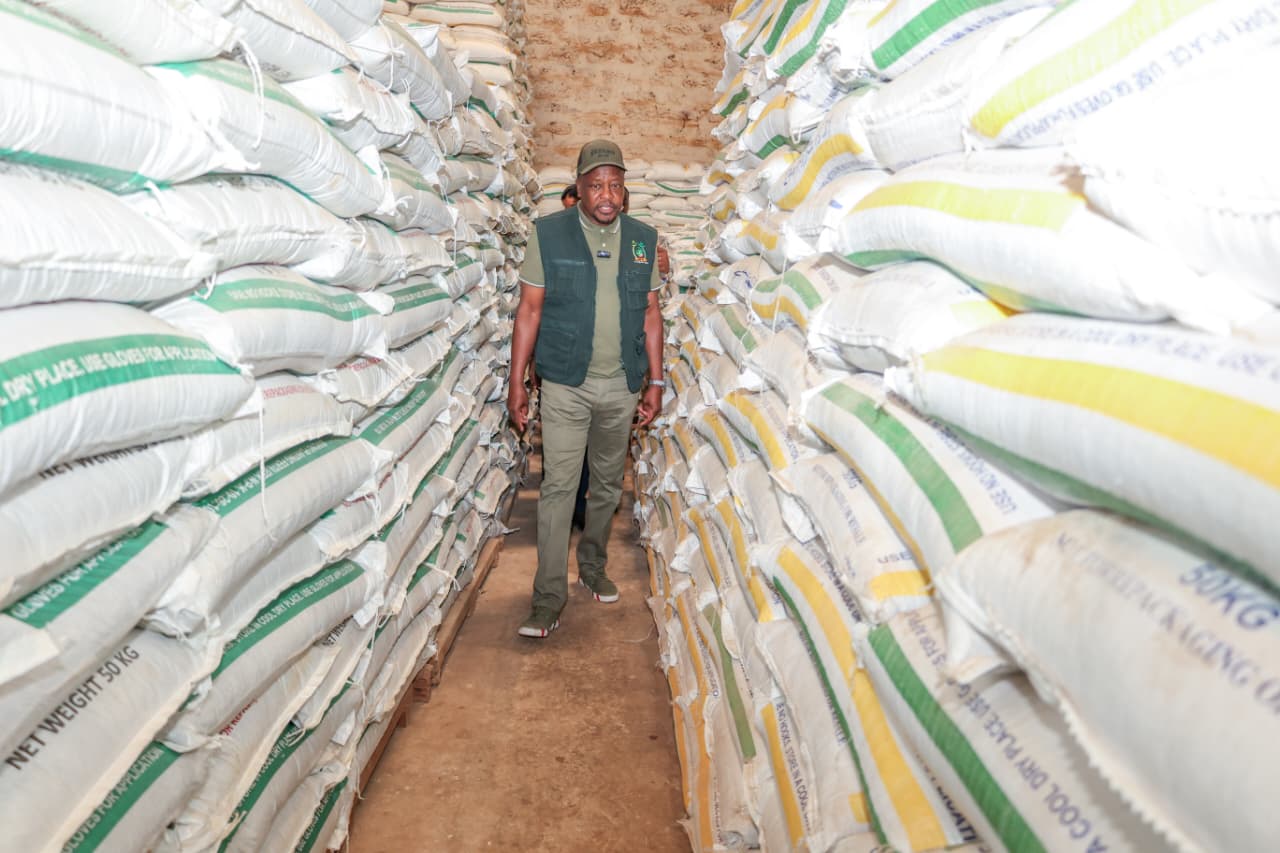
The decision follows projections of reduced harvests caused by extended dry spells and climate disruptions that have hit major growing areas hard. Officials stress that the step forms part of a broader emergency framework designed to keep shelves stocked and prevent any widespread shortage of the essential crop.
Agriculture and Livestock Development Cabinet Secretary Mutahi Kagwe confirmed that the necessary arrangements are already under way. He offered firm assurances that citizens will not face hunger, stating, “We will import maize. We have already made arrangements for that. We will manage the country. The country is not going to go hungry.” Annual demand stands near seventy-five million bags, leaving a gap of roughly twenty-five million that the incoming shipments are expected to close while also helping to steady market prices and shield households from sharp cost increases.
Beyond the immediate relief, the government is advancing longer-term measures to lessen dependence on rainfall alone. Expansion of the Galana Kulalu irrigation project ranks high among these efforts, with the goal of lifting overall production capacity and building stronger resilience against recurring weather shocks. Parallel talks with the National Treasury seek to remove tax barriers and simplify procedures so that local farmers and agribusinesses can operate more competitively.
A fresh initiative known as the AgriConnect Compact Programme has also entered the consultation stage. Building on earlier food-systems and value-chain projects, the multi-agency effort rests on three pillars: raising farm output, increasing local processing, and fostering commercial agribusiness. Planners hope the programme will transform traditional farming into a technology-driven sector capable of creating substantial employment opportunities for young people.
Digital tools and artificial-intelligence applications feature prominently in the new approach, aimed at drawing a tech-oriented generation into agriculture as a viable and profitable career. Together, the short-term imports and the structural reforms signal a dual strategy that seeks both to protect current food supplies and to place the agricultural sector on a more sustainable and commercially oriented footing for the years ahead.