
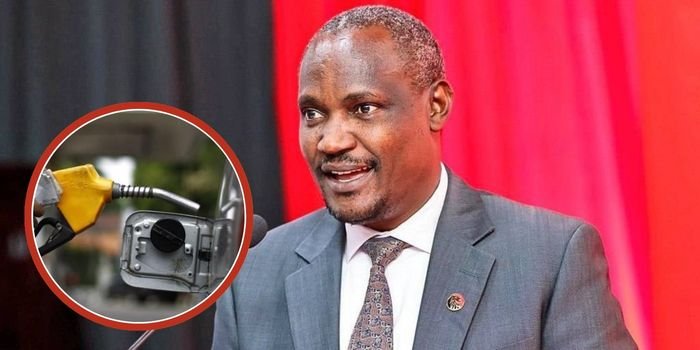
Among the options under review are an extension of the temporary eight per cent value-added tax rate on petroleum products past its scheduled October end date and the possible introduction of additional subsidies. Treasury Cabinet Secretary John Mbadi outlined the considerations during a media briefing held on the eleventh of August at the Treasury Building.
Mbadi explained that the government is closely watching developments in the Middle East and their effect on international oil markets while searching for funding sources that could support any new subsidy measures. The discussion comes only days before the Energy and Petroleum Regulatory Authority is due to release the next set of pump prices for the August to September period. He stressed that any decision on prolonging the reduced tax rate will depend largely on how the regional situation evolves in the coming weeks.
“You know the situation in the Middle East is quite unpredictable, and I do not want to talk about it with authority. We will monitor the situation as it unfolds,” Mbadi said. He added that authorities must weigh the need to collect tax revenue against the risk that higher fuel prices could drive inflation and place heavier strain on the wider economy. “As much as we are looking for tax revenue in terms of VAT, we must understand that if it is causing inflation, then it is going to have more harm on the economy. So we are balancing the two,” he noted.
The current eight per cent VAT arrangement was already prolonged for three months in July after first being introduced to shield consumers from the effects of the Middle East conflict and rising global crude prices. Energy and Petroleum Cabinet Secretary Opiyo Wandayi had earlier announced a nine-hundred-and-forty-five-million-shilling subsidy drawn from the Petroleum Development Levy for the July-August pricing cycle, aimed at keeping retail prices stable. Government-to-government fuel import arrangements have also helped maintain steady supplies despite shipping disruptions.
Under the prevailing rates a litre of super petrol sells for two hundred and fourteen shillings and three cents in Nairobi, diesel for two hundred and twenty-two shillings and eighty-six cents, and kerosene for one hundred and ninety-one shillings and thirty-eight cents. While the latest economic projections point to five-point-one per cent growth by twenty twenty-seven, officials have cautioned that sustained high international oil prices could raise transport and production costs, intensify inflationary pressure and strain the local currency and import bill. The outcome of the forthcoming price review and any further policy decisions will therefore be watched closely by motorists and businesses alike.