
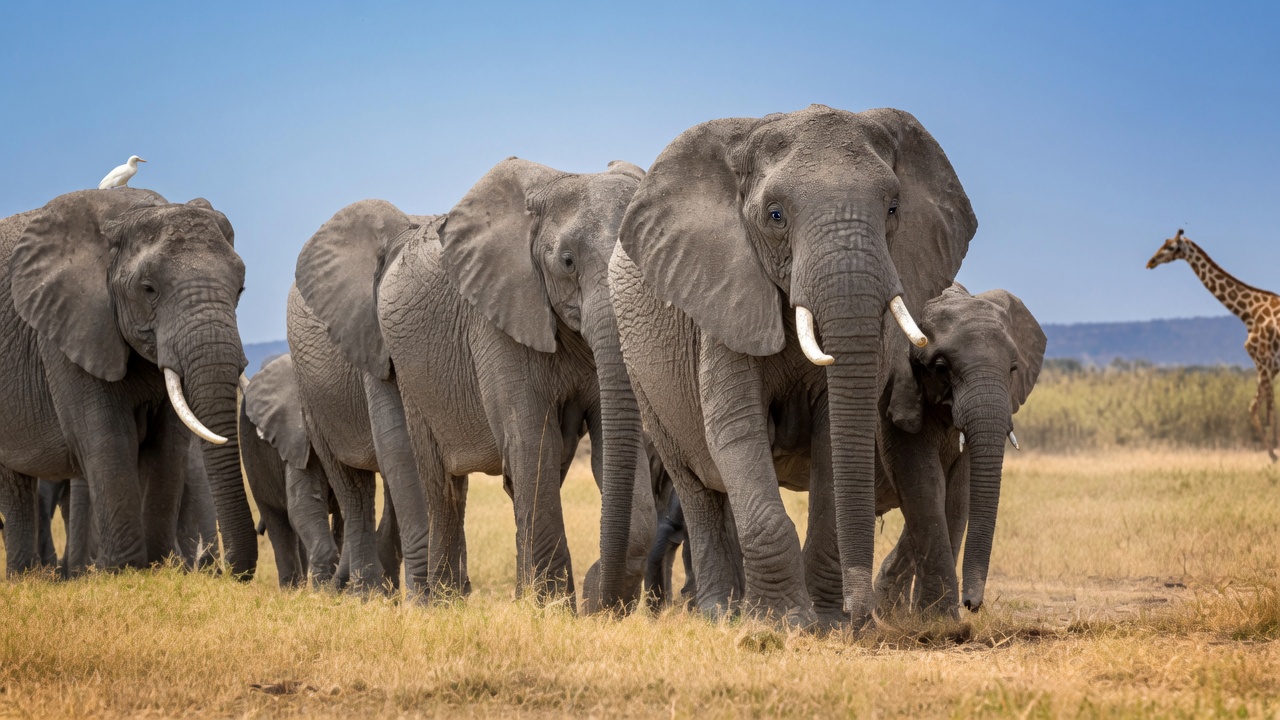
Preliminary laboratory tests on samples taken from the carcasses revealed traces of the chemical, according to Director General Prof. Erastus Kanga, who pointed to agricultural substances as the probable source. The discovery has heightened alarm among conservationists, community leaders and wildlife officials about the effects of farming practices on animals living in the Amboseli area.
Rangers first noticed the problem late last month when elephants began showing signs of illness before collapsing and dying. Dr Isaac Lekoolol, Head of Veterinary and Capture Services, noted that the animals displayed matching clinical symptoms in the hours before death. One of the worst-affected locations was Kimana Wildlife Sanctuary, where a single herd lost six members, including adult females and young calves, in a short span of time.
Post-mortem examinations later connected the fatalities to agricultural chemicals believed to have come from surrounding farms. Kimana ranks among the major tomato-producing zones in Kajiado County, creating frequent contact between wildlife and cultivated land. Authorities say the animals often move between protected areas and farmland in search of food and water, increasing their exposure to treated crops.
Prof. Kanga reported that the agency has now brought the situation under control yet urged communities living near Amboseli National Park and adjoining conservancies to handle pesticides and other farm chemicals with greater care. The Wildlife Service of the country is collaborating with partners to stop further incidents and safeguard herds that regularly cross these boundaries. Officials have also stated that no current evidence indicates any danger to human health.
Rangers and researchers have stepped up patrols throughout the Amboseli ecosystem and are keeping close watch on remaining elephant groups while the investigation continues. The episode underscores the ongoing challenge of balancing agricultural needs with the protection of wildlife that shares the same landscape across the country.