
Speaking at the opening of the 13th National Climate Outlook Forum, Director Edward Muriuki of the Meteorological Service Authority stressed that accurate forecasts must be paired with practical use of the information to enable early action and sound decision-making by communities and institutions.
Muriuki explained that El Niño is only one influence among several atmospheric and oceanic drivers that shape rainfall patterns. He noted that interactions with other systems, including the Indian Ocean Dipole, can significantly affect both the amount and the distribution of precipitation across different areas. As a result, the presence of El Niño should not be read as a simple promise of intense rains everywhere.
“Climate information must be understandable, relevant and actionable,” Muriuki told participants. He added, “Under evolving El Niño conditions, preparedness must be strengthened. However, El Niño does not automatically mean heavy rainfall everywhere; other atmospheric and oceanic factors must continue to be monitored.” These remarks underscore the need for ongoing observation rather than reliance on a single climate signal.
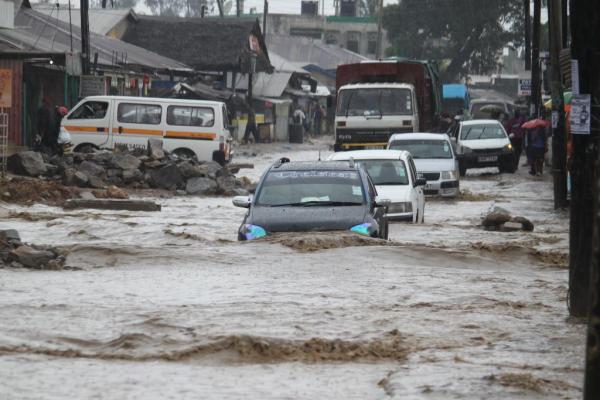
Despite the measured outlook, authorities continue to urge heightened readiness because several regions remain vulnerable to related hazards. An assessment has identified 18 counties, particularly in the Coastal, Lake Basin, Rift Valley and North Eastern areas, along with major urban centres, as priorities for preparedness measures against flooding, landslides, drought, food insecurity and disease outbreaks.
The focus remains on turning climate guidance into timely steps that reduce risks before extreme weather arrives. By combining careful monitoring of multiple factors with proactive planning, officials hope the country can better navigate the uncertainties of the approaching rainfall season and protect lives and livelihoods.