
The blast instantly destroyed the vehicle in the El-Raamo area of Kutulo along the Alungu Main Supply Route, killing four members of the Special Operations Group and one National Police Reservist on the spot.
Moments after the explosion, a fierce exchange of gunfire broke out as surviving colleagues engaged the suspected attackers, yet the outnumbered officers could not prevent the militants from escaping under the cover of darkness. Security reinforcements were quickly deployed to the area to pursue those responsible, who are believed to have crossed back toward the border.
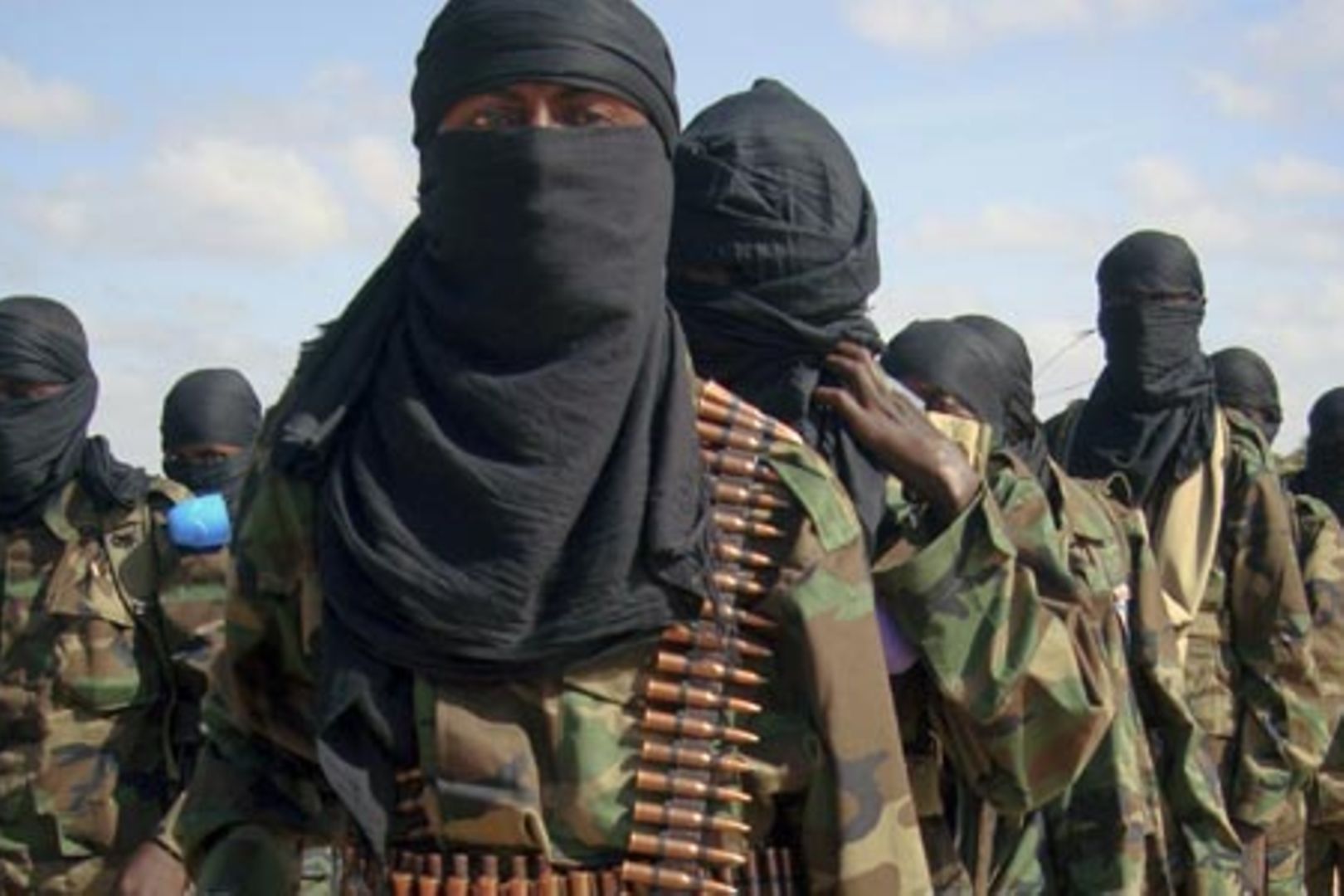
Although no group has publicly claimed responsibility for the attack, the region has long been known for cross-border operations by Al-Shabaab militants. Investigators believe the device may have been planted as early as July 21, with the attackers waiting patiently for a patrol to pass before triggering the ambush that has been described as one of the deadliest in recent months.
Several officers who sustained injuries during the subsequent gun battle have been airlifted to Nairobi for specialised medical care. Senior police officials, including Deputy Inspector General of the Administration of Police Gilbert Masengeli, visited the wounded in hospital as investigations into the precise circumstances of the attack continue.
The tragedy has once again highlighted the persistent security challenges along the border areas of the country, where heightened patrols had already been ordered following earlier sightings of militants. Authorities remain determined to track down those behind the carefully planned assault and to strengthen protection for officers operating in the high-risk zone.