
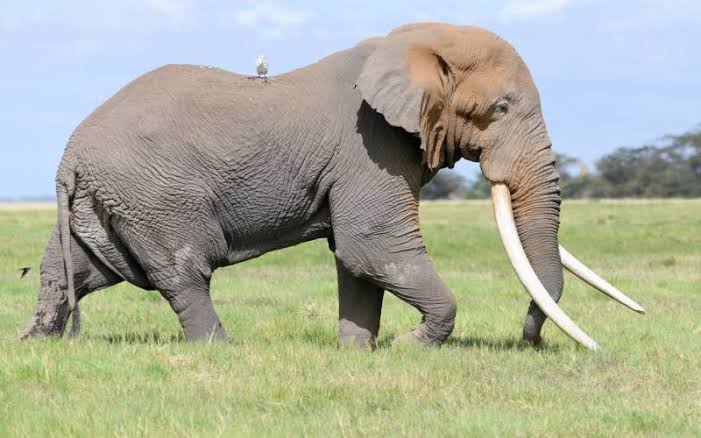
The fatalities occurred in various locations between June 24 and July 24, 2026, prompting serious concern from the government. Seven cases were recorded inside Amboseli National Park, another seven at Kimana Sanctuary, three in Kitenden, and one at Motikanju Kuku Ranch. Four of the elephants found near Kimana Gate appeared to belong to the same family group, heightening the urgency of the probe.
Preliminary laboratory results suggest the involvement of a toxic substance, with earlier indications pointing to cyanide poisoning connected to pesticide-contaminated tomatoes from farms near wildlife areas. Officials emphasize that these findings remain provisional and require further scientific confirmation. A multi-agency team, including the Wildlife Service of the country along with security and investigative bodies, has conducted extensive field work, environmental sampling, and analysis to determine the exact cause.
During a search in Tikondo, Kimana, within Loitoktok Sub-County, investigators recovered assorted chemicals believed to have originated from a neighboring country, along with other potentially harmful and unlabeled substances. These items have been secured and sent for detailed examination to assess any connection to the elephant deaths. Authorities are also pursuing an additional individual thought to possess relevant information about the incidents.
The government has warned that anyone found responsible for unlawfully killing, poisoning, or harming wildlife will face full legal consequences. Officials have pledged to boost surveillance, scientific research, law enforcement, and rapid response capabilities in vulnerable ecosystems. Plans also include tighter monitoring of the illegal use and handling of hazardous materials that could endanger animals and nearby communities.
Investigations continue as teams work to establish whether the deaths are linked and to gather sufficient evidence for accountability. The response underscores a firm commitment to protecting the country's wildlife heritage while ensuring that justice follows wherever the facts lead. This case highlights the ongoing challenges of balancing human activities with conservation in shared landscapes.