
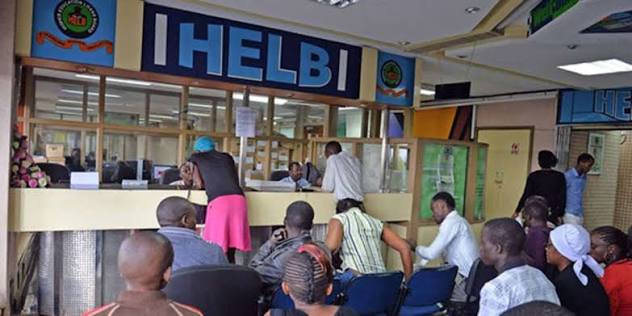
Under the plan, students admitted to public universities would receive full coverage of their costs, yet the entire sum would convert into a loan that must be settled only after the graduate finds work. This approach marks a decisive break from earlier systems that mixed grants with borrowing according to individual need.
Officials have introduced the Tertiary Education Placement and Funding Bill, which aims to gather every existing stream of support into one coherent framework managed by a single authority. The measure is already under review by education stakeholders and has reached the National Assembly’s Education Committee, where lawmakers will soon debate its contents. By consolidating funding sources, the government hopes to create a more predictable and sustainable model for financing tertiary studies across the country.
Once graduates enter formal employment, they would be required to inform their employers of outstanding loans so that automatic deductions can begin. Those working in the informal sector would instead negotiate a clear repayment schedule directly with the Higher Education Loans Authority, specifying both the amount and frequency of payments. These arrangements are designed to ensure recovery while remaining practical for borrowers in different economic circumstances.
To protect individuals from excessive financial pressure, the proposed law limits any payroll deductions to no more than one-quarter of a person’s earnings. The same legislation also empowers the authority to treat unpaid balances as civil debts and, when necessary, to pursue legal recovery from those who fall behind. Such provisions seek to balance the need for repayment with safeguards that keep the burden manageable.
Supporters of the bill argue that converting all support into loans will free resources for wider access while still holding beneficiaries accountable once they begin earning. As the draft continues through parliamentary scrutiny, attention will focus on how effectively the new authority can administer the system and whether the repayment rules prove fair for the next generation of graduates in the country.