
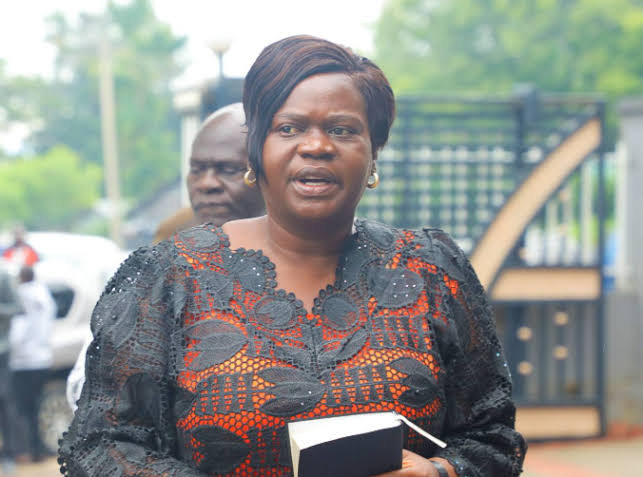
Speaking at the Homa Bay County Teaching and Referral Hospital, where plans for a new oncology centre are advancing through partnerships that include Aga Khan Hospital, she described the diagnosis she received in 2019 and the treatment that followed. The disclosure came as she outlined efforts to strengthen local services, framing her own story as both a private ordeal and a public illustration of why improved facilities matter. Those present heard her express appreciation for the medical access she received while acknowledging the far greater difficulties faced by ordinary people from the country who lack similar resources.
The governor’s account centred on colorectal cancer detected seven years earlier. She recounted the shock of the diagnosis, the subsequent medical journey, and the quiet determination that carried her through recovery. Rather than dwell on the physical and emotional strain, she used the memory to underscore a broader point about equity in care. Access to timely screening and specialist treatment, she noted, remains uneven, forcing many residents to travel long distances at considerable cost and inconvenience. Her own privileged position had shielded her from those barriers, a reality that now fuels her insistence on bringing services closer to home.
At the heart of the discussion was the developing oncology centre itself. Designed to provide screening, diagnosis and treatment within the county, the facility aims to reduce the need for patients to journey to distant urban hospitals. Partnerships with established medical institutions are intended to raise standards and ensure continuity of expertise. Wanga presented the project as a practical response to the gaps she witnessed during her own illness, arguing that early detection and local intervention could transform outcomes for families who currently shoulder heavy financial and logistical burdens. The initiative forms part of a wider county push to expand specialised care beyond basic primary services.
Public reaction to the revelation has been varied. Many residents offered messages of solidarity, praising the governor for her openness and linking her experience to the wider campaign for better health infrastructure. Others voiced a more pointed expectation that leaders should themselves utilise the facilities they promote, suggesting that personal example would strengthen public confidence. The mix of support and scrutiny reflects the heightened attention that accompanies any high-profile disclosure about illness, particularly when it intersects with policy promises. Still, the dominant note has been one of recognition that a senior official is prepared to connect private hardship with collective need.
As construction and planning for the oncology centre continue, the governor’s words have added a human dimension to what might otherwise remain a technical discussion of budgets and partnerships. Her willingness to revisit a difficult chapter of her life has drawn fresh focus onto the practical challenges of delivering cancer care across the country. In the months ahead the true measure of progress will lie in whether the new services begin to ease the journeys that so many patients still undertake, turning a personal story into a wider improvement that endures beyond any single announcement.