
A recent High Court decision regarding Kenya's electoral framework has sparked sharp debates and conflicting interpretations across mainstream media and political circles. While initial media social media users and commentators have pushed back, arguing that the ruling actually reinforces decentralized accountability.
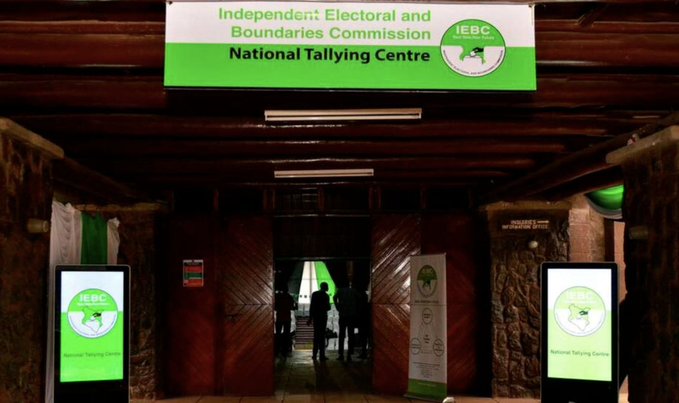
At the core of the controversy is the court's stance on results management. Observers and legal commentators emphasize that the ruling firmly establishes that electoral outcomes declared at both the polling station and constituency levels are final, binding, and legally immune to post-declaration alterations or administrative adjustments. This interpretation aligns closely with existing jurisprudence, particularly the principles stemming from the landmark Maina Kiai case, which prioritizes primary polling data.
Critics of the mainstream framing argue that upholding constituency-level finality is a major victory for electoral transparency rather than a blow to political factions. Proponents of this view point out that freezing results at the local level strips national administrators of the discretion to manipulate or reconcile tallies higher up the chain, effectively decentralizing power and returning control over the initial verification process to local agents and observers.
Furthermore, this judicial clarification dramatically alters the timeline for election results. With local returning officers facing strict accountability and severe legal risks for falsifying data, independent media houses and political parties are now well-positioned to track and aggregate numbers directly from the 290 constituency centers. Commentators note that this capability could allow citizens and organizations to project the final presidential outcome on election night itself.
Ultimately, the judgment has intensified conversations surrounding institutional oversight and public trust in Kenya’s democratic processes. By fueling contrasting narratives between traditional broadcast reports and citizen-driven social media commentary, the ruling highlights ongoing tensions over how election results are verified, reported, and protected against manipulation.