
Energy explainer · Sources checked 23 September 2026
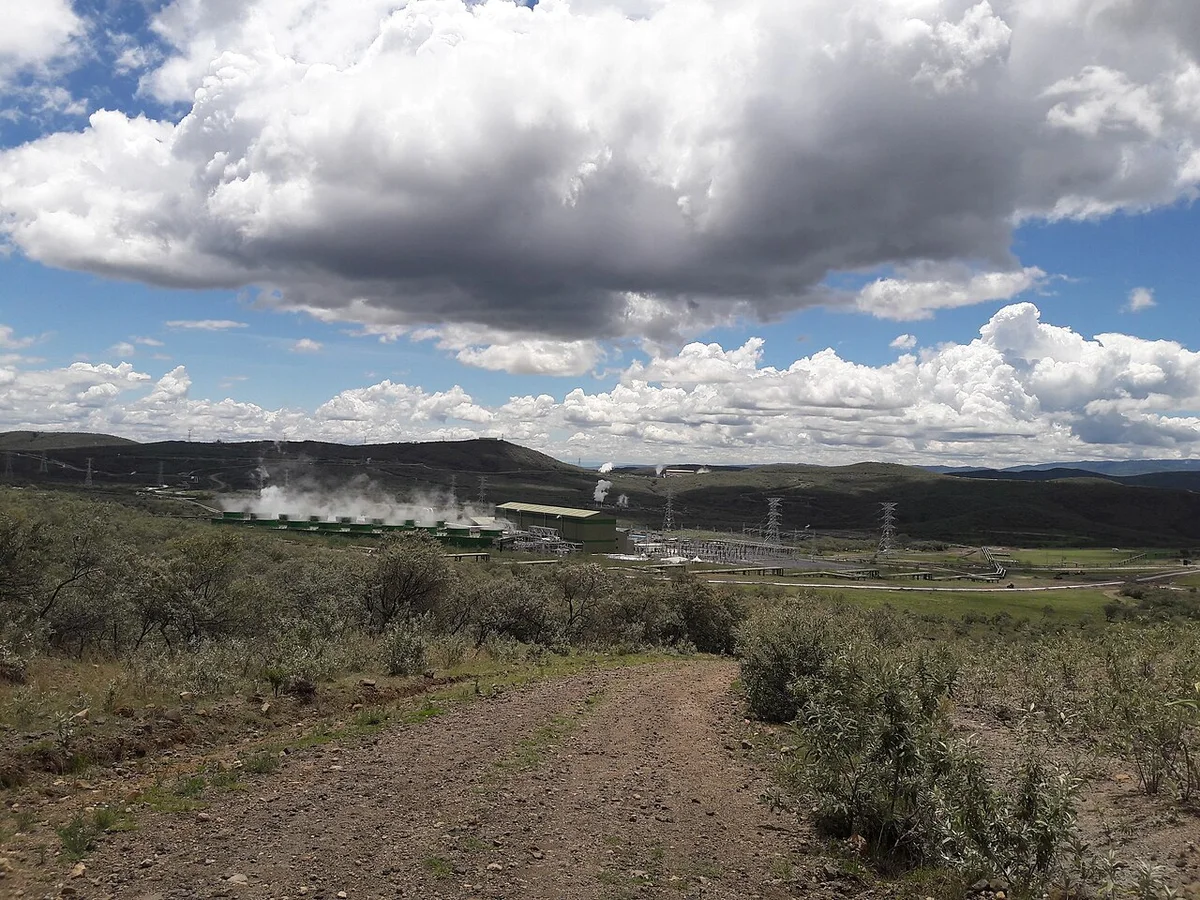
The energy story at Olkaria begins below ground. KenGen describes a geothermal reservoir containing hot water and steam, reached through wells drilled into the field. Steam is separated and piped to the powerhouse, while separated water is returned to the reservoir. Read KenGen’s technical overview.
That sequence is useful because it makes an often abstract word—geothermal—concrete. The generating plant uses heat from beneath the surface; the visible buildings and pipes are part of a much larger underground and above-ground system.
Generation is not the whole journey
Producing electricity and delivering it to a home are separate stages. A power station can be an important source of supply without eliminating every network constraint or local outage. Kenya Power’s customer information distinguishes supply issues and provides channels for reporting interruptions.
For readers assessing an energy announcement, this creates three useful questions: Is it about a new resource, an operating generating unit or the network carrying electricity to customers? Has construction begun, has testing started, or has commercial operation actually been confirmed?
Read capacity claims carefully
An announced capacity is not the same thing as energy delivered over a year. When comparing projects, keep the unit, reporting period and operating status attached to the number. A future project should not be added to today’s operating output simply because it has been announced.
This explainer uses KenGen’s account of the Olkaria process. It does not claim a new plant opening, a current national generation share or a guaranteed reduction in a household’s electricity bill.
Reporting note: Prepared with AI assistance from the official sources linked in this article. Photo: Macabe5387 / Wikimedia Commons, CC BY-SA 4.0. Olkaria V geothermal power station. Archive photograph. Resized for display.
