
Service guide · Sources checked 23 September 2026
For a household or business waiting for electricity, the most useful document is often the one that makes the application traceable: the official reference number and the quotation linked to it.
Kenya Power’s new-connections guidance describes application documents, payment arrangements and requirements around internal wiring. It also explains that rights of way may be needed where a connection crosses other property. Its customer-support page lists application and enquiry channels.
Describe the intended use accurately
Explain whether the supply is for a home, shop, workshop or another use, and provide the information requested through the official process. Ask which documents are outstanding and whether any site or wayleave issue needs resolution.
Avoid treating a neighbour’s connection cost as a firm quotation for your premises. Likewise, a programme announcement does not by itself establish that a particular applicant qualifies under that programme.
Keep payment and installation distinct
Save the quotation and official payment acknowledgement. Ask how the application status can be checked and what must happen before energisation. These records make a follow-up more specific than simply reporting that you have been waiting.
Use the utility’s published channels to verify an unexpected payment request or a person claiming to represent it. Electrical work and testing should be handled through qualified, authorised professionals; this guide does not provide wiring instructions.
The aim is a complete, traceable application. It is not a guarantee of a particular fee, service date or technical solution for every property.
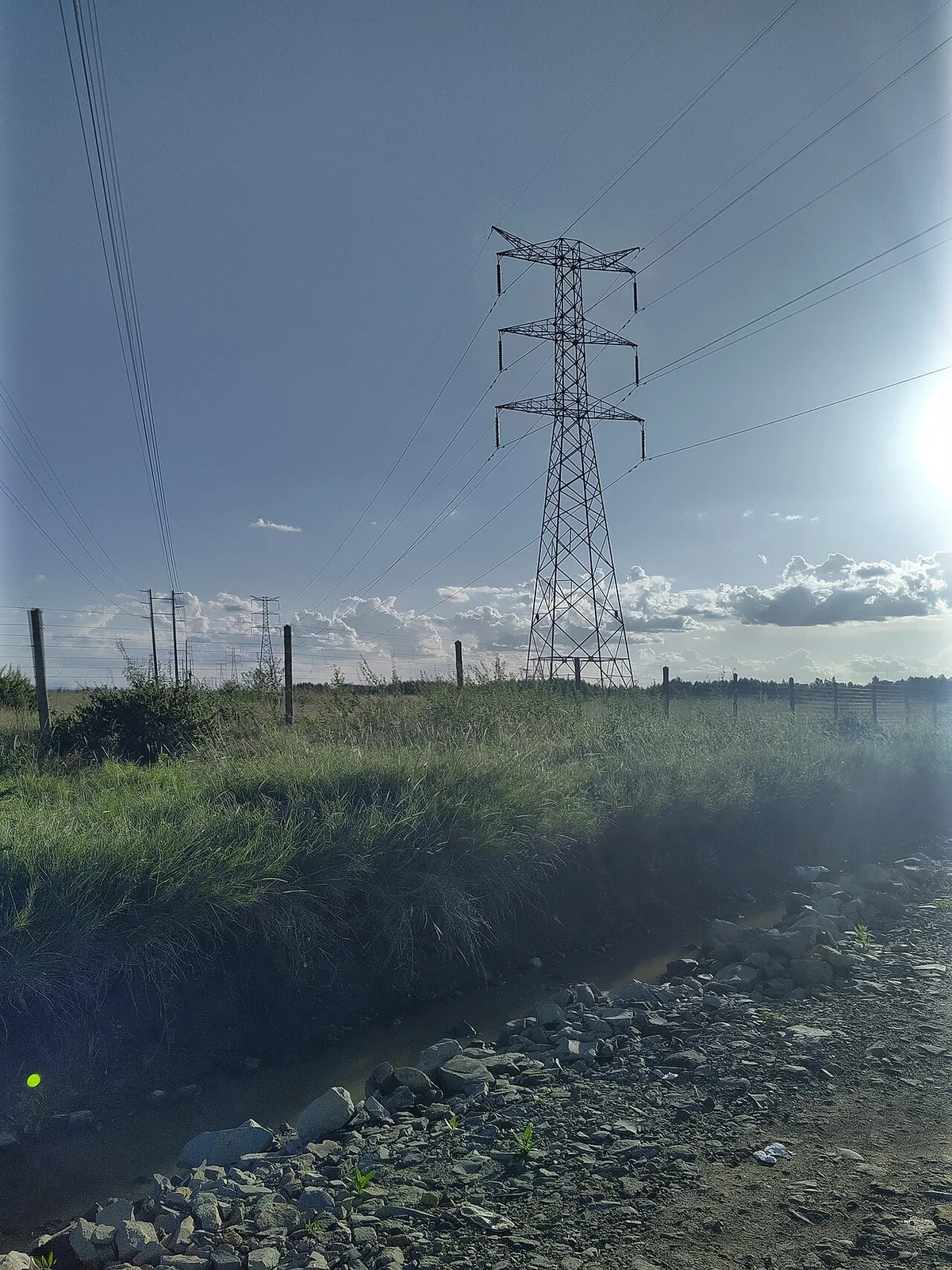
Reporting note: Prepared with AI assistance from the official sources linked in this article. Photo: Endesia94 / Wikimedia Commons, CC BY-SA 4.0. Electricity transmission pylons in Kenya. Archive photograph. Resized for display.
