
Consumer explainer · Sources checked 23 September 2026
The purchase price is only the first part of an appliance’s cost. A refrigerator continues to use electricity after the shop receipt has been filed away, making the energy label a useful part of the comparison.
EPRA’s report for the year ended June 2025 describes a one-to-five-star efficiency scale, with five stars indicating the highest efficiency on that scale. The International Energy Agency’s Kenya label explainer describes the same direction of ranking.
Compare appliances that meet the same need
Start with the size and type you actually require. Then read the label, model number and stated consumption information. A comparison between substantially different capacities can be misleading if the star count is the only figure considered.
Ask the seller to explain the label and provide the manufacturer’s documentation. Keep the exact model number in your notes so that an online comparison or later purchase does not silently substitute a different appliance.
Turn consumption into a budget question
Where annual energy consumption is supplied, it can help estimate running costs using an appropriate electricity-price assumption. That estimate should be labelled as an estimate: usage conditions and the applicable bill charges matter.
A simple comparison sheet can include purchase price, capacity, stated energy use, warranty and service arrangements. It makes the trade-off visible without pretending that one star rating determines every aspect of value.
This article explains the label system. It does not endorse a brand or promise a particular saving from replacing an appliance.
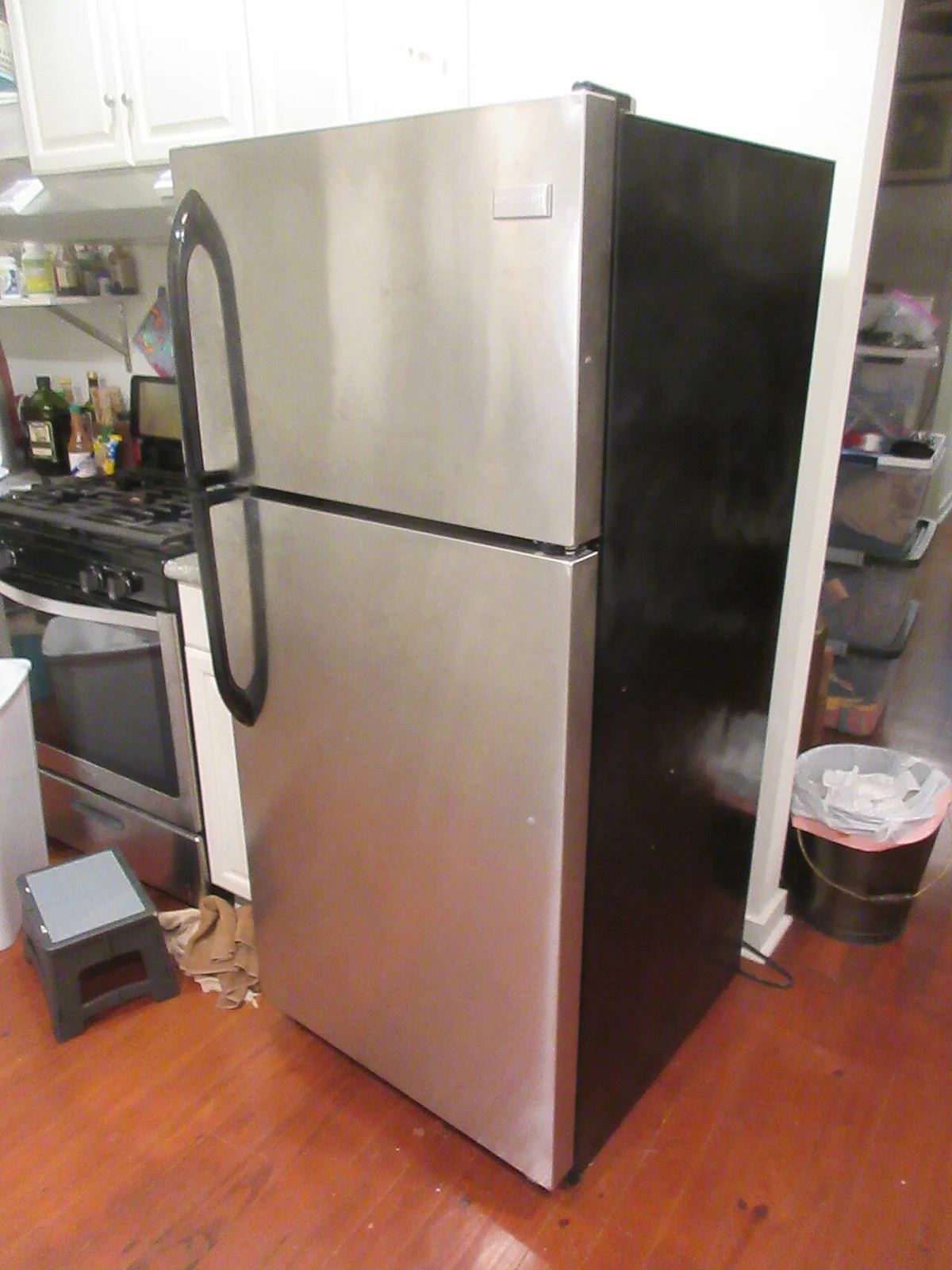
Reporting note: Prepared with AI assistance from the official sources linked in this article. Photo: Infrogmation of New Orleans / Wikimedia Commons, CC BY-SA 4.0. A domestic refrigerator. Context photograph; not a product recommendation or efficiency rating. Resized for display.
