
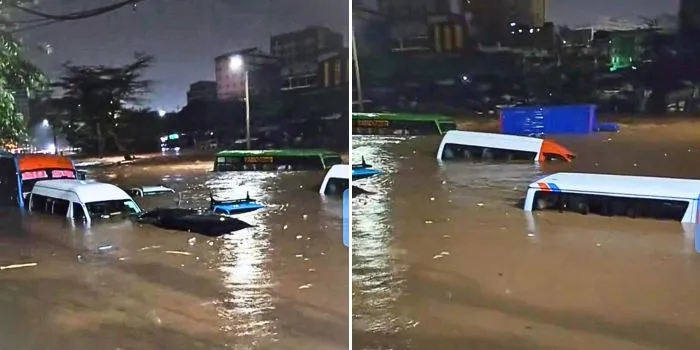
Nairobi appears high on the list due to its vulnerability to urban flooding, clogged drainage systems and overstretched infrastructure that could quickly become overwhelmed. Coastal areas such as Tana River, Kilifi, Lamu, Mombasa and Kwale face additional dangers from heavy downpours, storm surges, coastal erosion, infrastructure damage and the displacement of local communities once the rains intensify.
In the Lake Basin region, counties including Kisumu, Busia, Siaya, Homa Bay and Migori have been placed under close observation because of the combined risks of flooding, landslides, waterborne illnesses and family displacements. Nairobi, Mombasa and Kisumu together stand out as major urban centres likely to experience severe service disruptions and infrastructure pressure when rainfall peaks. These warnings form part of a broader notice issued by the Interior Ministry that underscores the need for heightened readiness across multiple regions.
Further inland, drought-affected counties in the Rift Valley such as Turkana, Baringo, West Pokot and Narok confront a complex combination of lingering dry conditions and sudden flooding that could lead to livestock losses, landslides and deeper food insecurity. In the North Eastern region, Garissa, Wajir and Mandera continue to struggle with water scarcity and poor pasture, leaving pastoral communities particularly exposed as the weather pattern shifts. The ministry’s assessment paints a picture of varied yet interconnected challenges that demand coordinated action.
Beyond local flood and drought concerns, regional climate experts have raised alarms about the heightened risk of Rift Valley Fever. The IGAD Climate Prediction and Applications Centre stated that “These forecasting climate conditions are expected to create favourable ecological conditions for Rift Valley fever (RVF) transmission. This poses an imminent danger to the countries including Burundi, Ethiopia, the country, Rwanda, Somalia, South Sudan, Uganda, and the United Republic of Tanzania.” Floodwaters create ideal breeding grounds for mosquitoes that can spread the virus among livestock and people, threatening both health systems and livelihoods.
Without timely early-warning measures and cross-border coordination, outbreaks could devastate herds, disrupt trade and worsen poverty while damaged roads and bridges hinder emergency responses. The combined forecasts from the Interior Ministry and regional climate bodies serve as a clear call for proactive planning, improved drainage systems and strengthened public health readiness as the El Niño season approaches. Communities across the flagged counties will need sustained support to reduce the human and economic costs that may follow the expected heavy rains.