
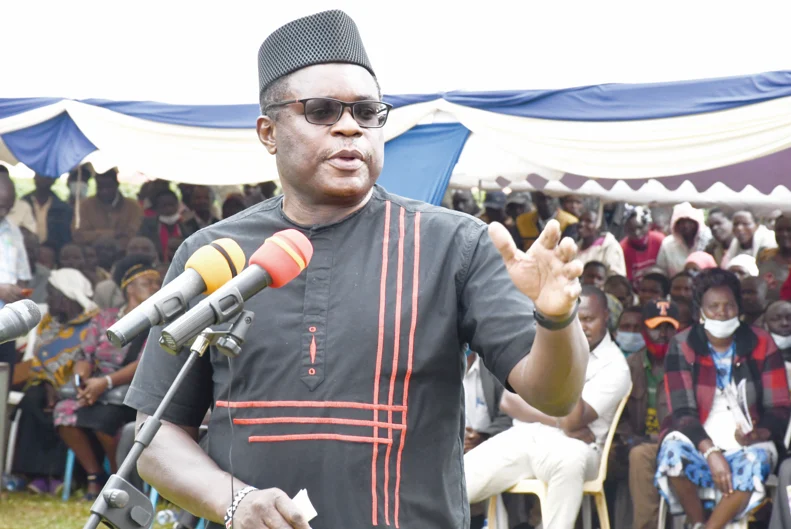
Speaking after a consultative meeting of the party's management committee in Nairobi, Ford Kenya Deputy Party Leader and Bungoma Governor Kenneth Lusaka confirmed the upcoming polls. He stated that the elections will cover structures from the polling station level up to county leadership, aimed at revitalizing and repositioning the party at the grassroots.
The move comes as Ford Kenya seeks to renegotiate a fresh stake in the Kenya Kwanza alliance, which propelled President William Ruto to power in 2022. Lusaka reaffirmed the party's continued membership in the coalition and pledged full support for Ruto's re-election bid in 2027. "Ford Kenya is very happy to be in the Kenya Kwanza coalition," he emphasized, while noting openness to welcoming additional partners into the fold.
This development follows a pattern among Kenya Kwanza affiliates. While some parties have faced pressure to merge into the dominant United Democratic Alliance (UDA), Ford Kenya—led by National Assembly Speaker Moses Wetang'ula—has consistently rejected dissolution, opting instead to maintain its independence and build coalitions strategically.
The grassroots elections are seen as a critical step to empower local structures, resolve any internal leadership disputes, and ensure robust mobilization in Western Kenya, where the party holds significant sway. Analysts view the timing as deliberate: by solidifying its base before formal coalition talks intensify, Ford Kenya positions itself for stronger leverage in negotiations over cabinet slots, parliamentary seats, and resource allocation.
The announcement coincides with broader shifts in Kenya's political landscape. Recent court rulings, such as the nullification of the ANC-UDA merger, have underscored the challenges of forced consolidations. Meanwhile, ongoing engagements between UDA and opposition elements, including aspects of the Broad-Based Government framework, add complexity to coalition dynamics.
Political observers note that Ford Kenya's dual-track approach—internal strengthening via elections and external positioning through renegotiation—reflects a pragmatic strategy to safeguard its relevance amid President Ruto's push for a more unified ruling front. As April approaches, the outcome of these grassroots polls could influence not only Ford Kenya's internal cohesion but also the broader balance of power within Kenya Kwanza heading into 2027.
Party officials have yet to release a detailed timetable or guidelines for the elections, but preparations are reportedly underway. Stay tuned for further developments as Kenya's political season heats up.