
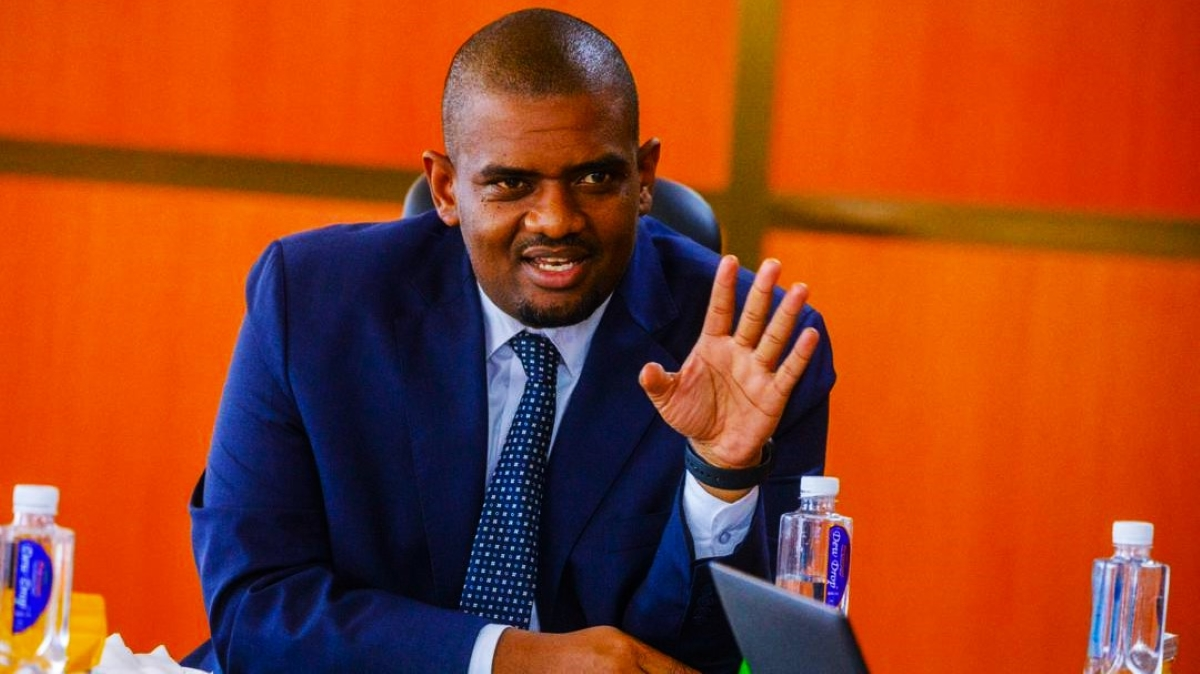
The Central Committee, chaired by President Samia Suluhu Hassan, made the choice on Wednesday, August 26. Nchimbi’s departure from office becomes effective on September 4, 2026, clearing the way for the new candidate to undergo the required constitutional approval process.
At 43 years of age, Ndejembi would become the country’s thirteenth vice president since independence and one of the youngest individuals ever to occupy the second-highest office. His nomination reflects a steady rise through both party and government ranks rather than a sudden leap into national prominence. Supporters view the selection as a move that blends relatively fresh leadership with proven administrative experience.
Ndejembi’s early career unfolded in the private sector, where he held managerial and sales roles at companies including A1 Outdoor, Smile Communication, Tigo and the GSM Group. He later entered public service as District Commissioner for Kongwa in Dodoma from 2016 to 2020 before winning a parliamentary seat for Chamwino. Subsequent appointments as deputy minister and then full minister in several portfolios, culminating in his current leadership of the Energy Ministry, have given him broad exposure to governance challenges.
His educational background includes studies in international relations at the University of Lincoln and further training in administrative management. Combined with years of party involvement that began in the CCM Youth League, these credentials position him to handle responsibilities that extend well beyond a single ministry. The energy portfolio he currently oversees is regarded as strategically vital to the national economy, covering electricity, oil and gas matters.
If confirmed, Ndejembi’s appointment would mark a notable transition in the country’s leadership structure. The ruling party’s decision signals continuity alongside a generational shift, placing a relatively young yet experienced figure in a role that carries significant influence over both domestic policy and regional engagement in the years ahead.