
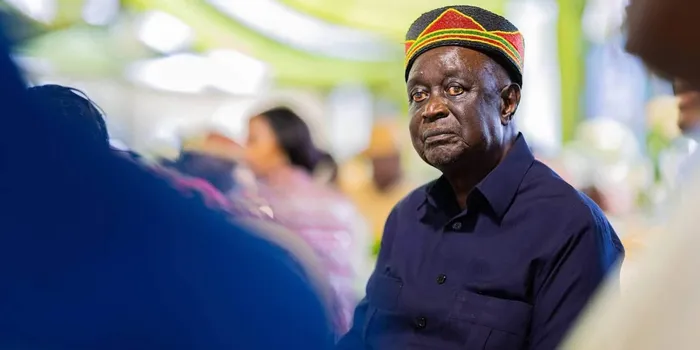
Dr Oburu Odinga, the 82-year-old Siaya Senator, remains under medical care while his family considers transferring him to the United Kingdom for specialist attention. The precise nature of his condition has not been disclosed by relatives, the party or the hospital, though unconfirmed reports have pointed to severe fatigue and a recommendation for extended rest. Only immediate family members have been permitted visits under strict instructions from his doctors.
Party officials paid a call on Monday even as internal tensions within the movement continue to surface. The veteran politician was last photographed in public on Saturday playing golf and appearing relaxed, leaving the timing of his admission unclear. His health has long drawn public attention. Earlier this year digitally altered images falsely suggested he had been treated in India, a claim that was quickly disproved. After the death of his younger brother late last year he travelled to Dubai for what was described as a short period of rest, with his son later rejecting rumours of serious illness.
The current episode arrives at a delicate moment for the party he now leads. Having assumed the role following the loss of the long-time figurehead, Oburu has sought to steady an organisation navigating both succession questions and broader political realignments. His absence from public view, however temporary, inevitably fuels speculation and places additional weight on those managing day-to-day affairs. Close associates have maintained silence on the medical details, reflecting a consistent preference for privacy around personal health matters.
For supporters and political observers the situation carries an emotional charge. An elder statesman who has spent decades in public life is once again facing the physical limits that age imposes, even as the institutions he represents require steady guidance. The possibility of specialist care abroad signals both the seriousness with which the family is approaching the matter and the resources available to ensure the best possible outcome. At the same time it underscores how quickly personal vulnerability can intersect with the demands of leadership in a highly scrutinised environment.
As medical teams continue their work and the family deliberates the next steps, the focus remains on recovery and the quiet hope that a period of specialised treatment will restore the strength needed for whatever role still lies ahead. The coming days will reveal whether rest and expert care can return him to the public stage or whether a longer withdrawal from active duties becomes necessary.