
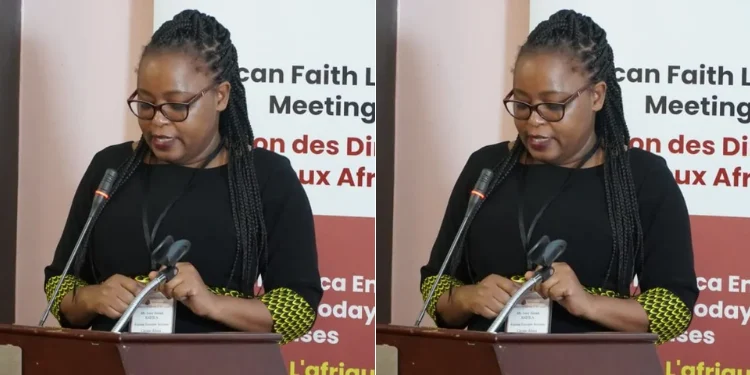
The appointment, announced on August 18, 2026, places her among twelve new advisers chosen to support the department’s work. Esipila currently leads Caritas Africa and brings decades of practical experience in humanitarian and social programmes across the continent.
The dicastery addresses pressing global concerns that include poverty reduction, migration, healthcare access, environmental protection, humanitarian aid and broader human development. Esipila’s background aligns closely with these priorities. She began her Caritas career in 2012 within the Catholic Diocese of Maralal in the northern part of the country, where she supported pastoralist communities facing challenges related to food security, livelihoods, gender issues, climate change and competition for water and pasture.
After her early fieldwork she advanced to the role of national coordinator for research, communications and advocacy at Caritas of the country. From there she moved to the continental level, engaging in high-level advocacy with the African Union, the European Union and the United Nations. In 2023 she was elected Regional Executive Secretary of Caritas Africa, becoming the first woman to head the network that coordinates Catholic humanitarian and development efforts across the region.
Her portfolio has focused on Africa’s economic pressures, debt burdens, climate action, food security and emergency response. These themes match the dicastery’s mandate, positioning her to contribute practical regional insight. She joins two other African appointees: Ugandan priest and scholar Rev Emmanuel Katongole, a professor of theology and peace studies at the University of Notre Dame, and Burkinabè economist Dr Omer S. Combary, whose research centres on agricultural productivity and rural development.
The remaining nine consultants come from Europe, North America, Asia and Australia, creating a diverse pool of academic, medical and ethical expertise. All twelve will serve five-year terms, offering professional, scientific, theological and regional perspectives to guide the Vatican’s efforts on issues of human dignity and social progress. Esipila’s selection underscores the growing recognition of African leadership within global Catholic institutions focused on development and justice.