
Hichilema, 64, first took office in 2021 and defeated a field of 13 challengers to extend his mandate. The ceremony is set for the National Heroes Stadium, drawing several regional leaders as the southern African nation formalises the result. The visit underscores longstanding diplomatic engagement between the two neighbours at a moment when bilateral cooperation remains a priority for both administrations.
In earlier remarks the visiting leader praised the outcome as a foundation for continued visionary governance and deeper partnership. He noted that “the country holds its relations with the Republic of Zambia in high esteem. Over the years, our two countries have fostered deep and enduring cooperation at both bilateral and multilateral levels.” The message expressed confidence that the renewed term would expand practical collaboration while wishing the Zambian people sustained peace and prosperity. Such public affirmations form part of a broader pattern of mutual support that has characterised interactions between the two capitals for decades.
Yet the backdrop to the inauguration includes domestic tensions inside Zambia. Opposition figure Brian Mundubile, who polled 38 per cent as a first-time contender, has been charged with treason alongside his running mate after security forces reported discovering firearms and military equipment during a raid on his home. Both men reject the accusations, describing them as fabricated, and the arrests have raised questions among observers about the climate for political dissent following the tightly contested poll. These developments add a layer of complexity to an otherwise celebratory occasion.
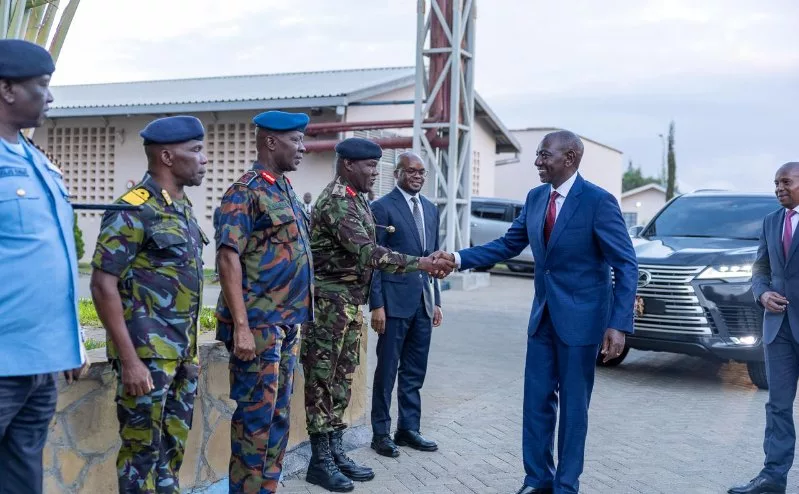
The journey itself was marked by the usual formal send-off, with senior officials present as the presidential aircraft left for the short regional flight. Attendance at the inauguration allows for face-to-face consultations on shared interests ranging from trade corridors to regional stability, opportunities that formal ceremonies often create beyond the public spectacle. For the host nation the event signals the start of another five-year chapter under Hichilema’s leadership, while for the visiting side it reaffirms commitment to consistent engagement across the continent.
As the formal proceedings unfold and leaders exchange views on the margins, attention will turn to whether the renewed personal rapport can translate into tangible advances in economic and security cooperation. The occasion offers a quiet reminder that personal diplomacy among heads of state continues to shape the practical ties that bind neighbouring countries in an evolving regional landscape.