
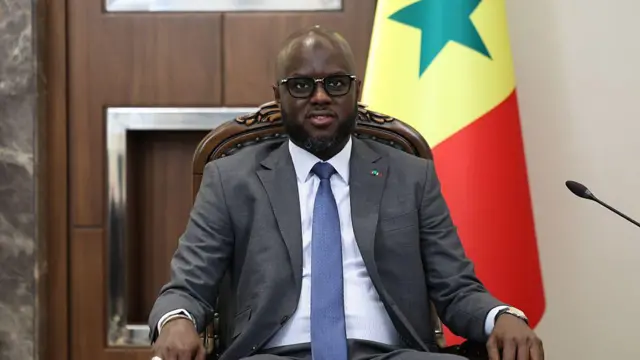
The move comes just days after President Bassirou Diomaye Faye made the dramatic decision to dismiss Prime Minister Ousmane Sonko and dissolve the government, highlighting deepening rifts at the highest levels of power. Ndiaye, a key figure in the ruling PASTEF coalition, described his departure as a personal choice guided by careful thought and commitment to the nation's best interests.
The timing of this development has intensified concerns about stability in the West African nation. Once close allies who worked together to bring Faye to power in 2024, the president and Sonko have seen their relationship deteriorate over policy differences, including approaches to economic reforms and debt management. Ndiaye's exit is widely viewed as clearing the path for Sonko, who retains strong support within the party, to potentially assume the influential role of parliament speaker.
This rapid sequence of events has sparked speculation about an internal power struggle within the ruling alliance. Many observers note that Sonko, a charismatic and populist leader, could use the parliamentary position to exert significant influence over future government decisions. The situation raises questions about how President Faye will navigate the formation of a new cabinet while managing these shifting dynamics and maintaining party unity.
As Senegal grapples with economic challenges and public expectations for progress, the latest turmoil serves as a reminder of the fragile balances in its young democracy. Citizens and political analysts alike are watching closely to see whether this episode leads to renewed cooperation or further divisions that could impact the country's direction in the coming months. The coming days will likely reveal how these high-level changes reshape governance and political loyalties.