
Farm explainer · Sources checked 23 September 2026
A laboratory result can look precise while answering the wrong question. If the soil submitted does not represent the area to be planted, the numbers may provide a poor basis for fertiliser decisions.
KALRO’s sampling guide addresses representative sampling for fertility evaluation. Its soil-management course links soil assessment with fertility management and conservation across different growing conditions.
Start with the laboratory’s instructions
Contact the laboratory or extension officer before collecting soil. Explain the intended crop, the area involved and any visibly different parts of the field. Ask how samples should be collected, labelled, stored and delivered. Sampling depth and the way areas are combined should follow the relevant instructions, rather than a rule copied from an unrelated crop.
A field sketch is useful: mark the sampled area and record previous crops and recent applications. Keep that information with the result so advice can be interpreted in context.
Buy an explanation as well as a result
Ask what the report means for the intended crop, which limitation should be addressed first and how the proposed action fits the budget. Request clarification when a recommendation uses unfamiliar units.
A test starts a management decision; it is not a universal product recommendation. This article does not prescribe fertiliser quantities, liming rates or guaranteed yield gains. Those decisions require the actual results and field-specific advice. Keeping the report creates a baseline for future discussions instead of starting each season with a different guess.
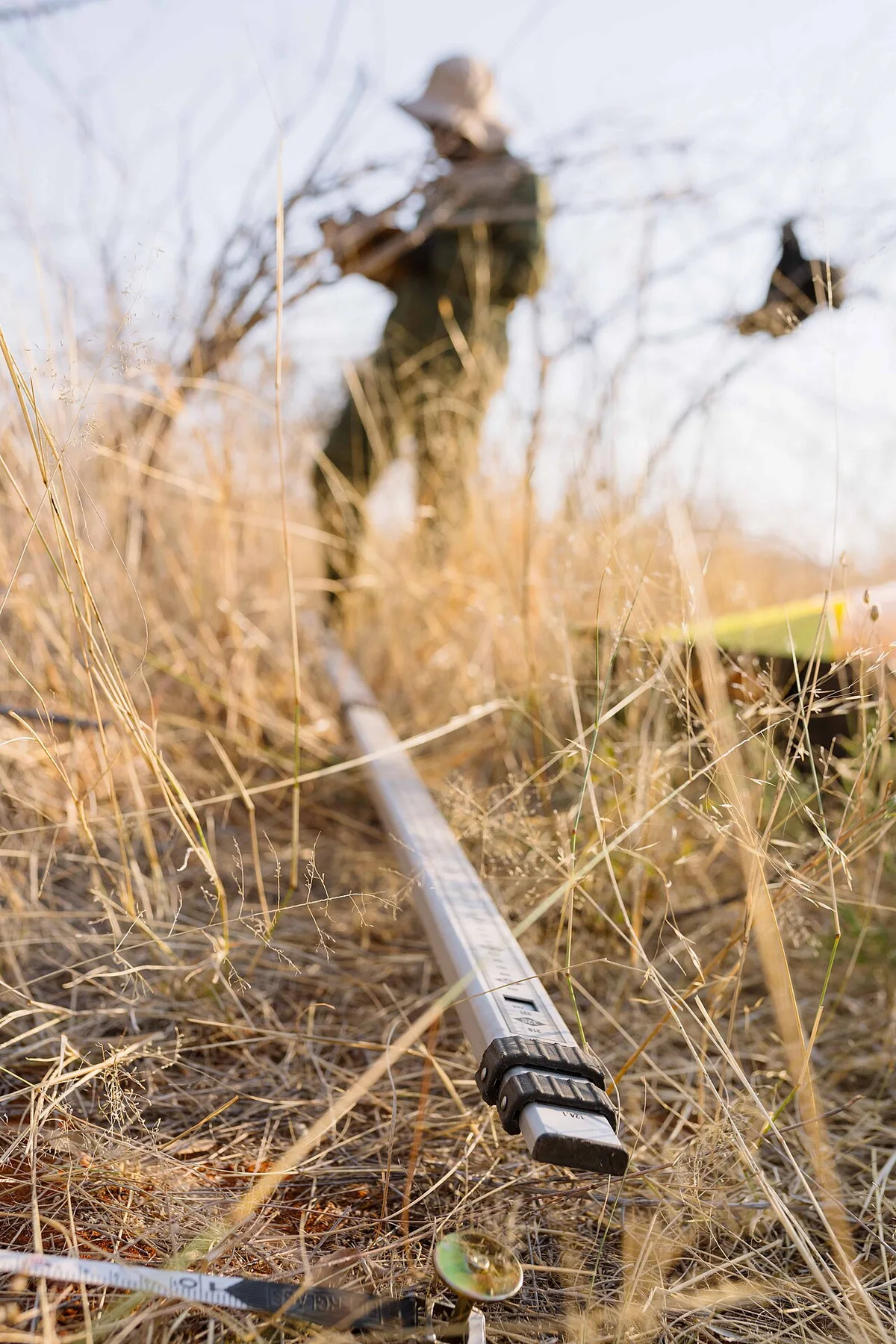
Reporting note: Prepared with AI assistance from the official sources linked in this article. Photo: Tim Brunauer on behalf of Deutsche Gesellschaft für Internationale Zusammenarbeit (GIZ) / Wikimedia Commons, CC BY-SA 4.0. Soil and vegetation sampling in Namibia. Illustrative photograph of field sampling, not a Kenyan site. Resized for display.
.jpg)