
Many say they were encouraged to expand production through the promise of bonuses and access to seedlings, only to watch their harvests now rot in the fields for lack of a reliable market.
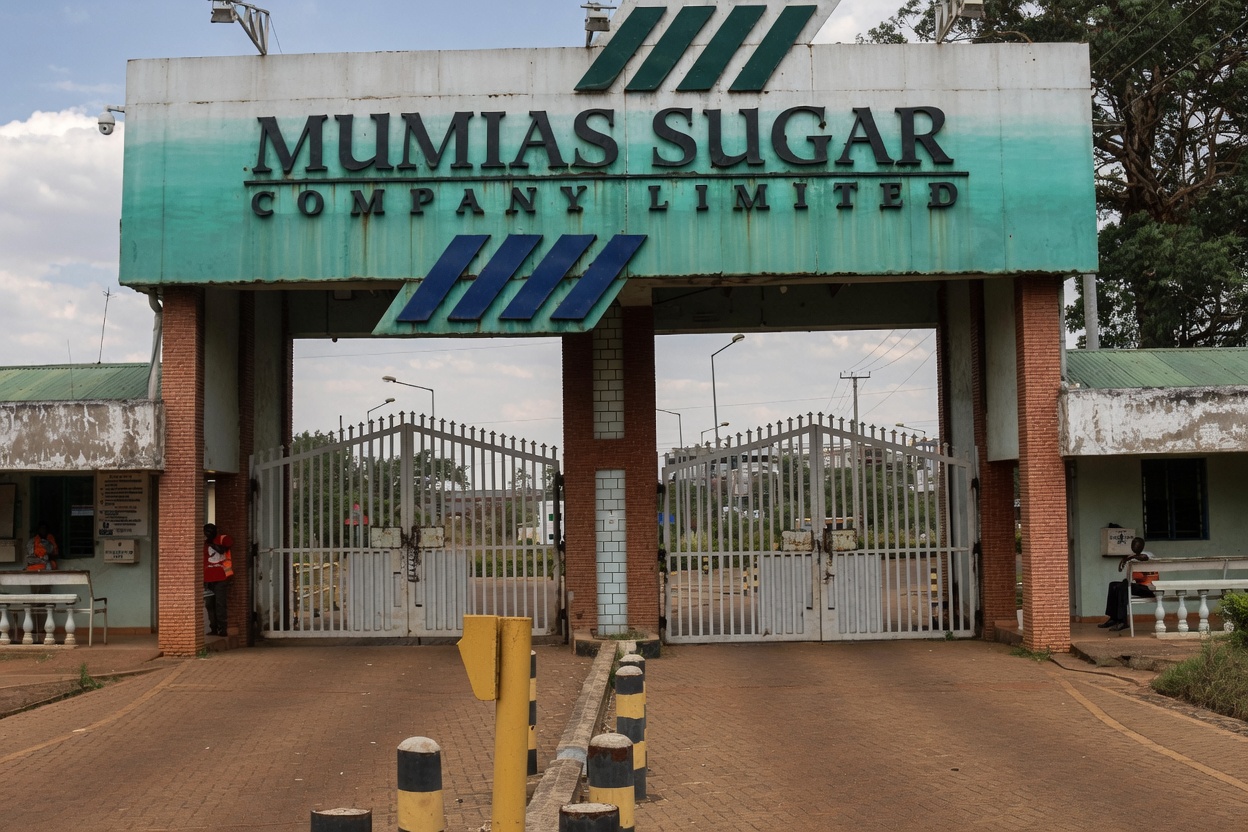
Critics allege that large volumes of tax-free sugar were imported and later repackaged to appear as locally manufactured product, flooding the market and undercutting genuine domestic output. Mumias Sugar Company has been named by some as a central point where this activity is said to take place under the influence of organised cartels, further squeezing the returns available to growers.
Agriculture Cabinet Secretary Mutahi Kagwe is among those who have faced public accusations of overseeing or tolerating the arrangement, claims that have intensified anger among farming communities already struggling with rising costs. At the same time, growers report persistent difficulties in obtaining subsidised fertiliser, with many questioning both its availability and its quality once received.
The combined pressure of unsold cane, alleged market distortion through imports and unreliable farm inputs has left numerous households staring at reduced incomes and mounting debt. Farmers argue that the country produces high-quality sugar capable of meeting local demand, yet the continued presence of cheaper imported alternatives has eroded confidence in the sector’s future.
As the losses mount, calls are growing for urgent intervention from the ministries responsible for agriculture and trade to protect local producers, restore transparent marketing channels and ensure that policy decisions prioritise the livelihoods of those who have committed land and resources to sugarcane. Without clear action, many warn that trust in agricultural support programmes will continue to erode.