
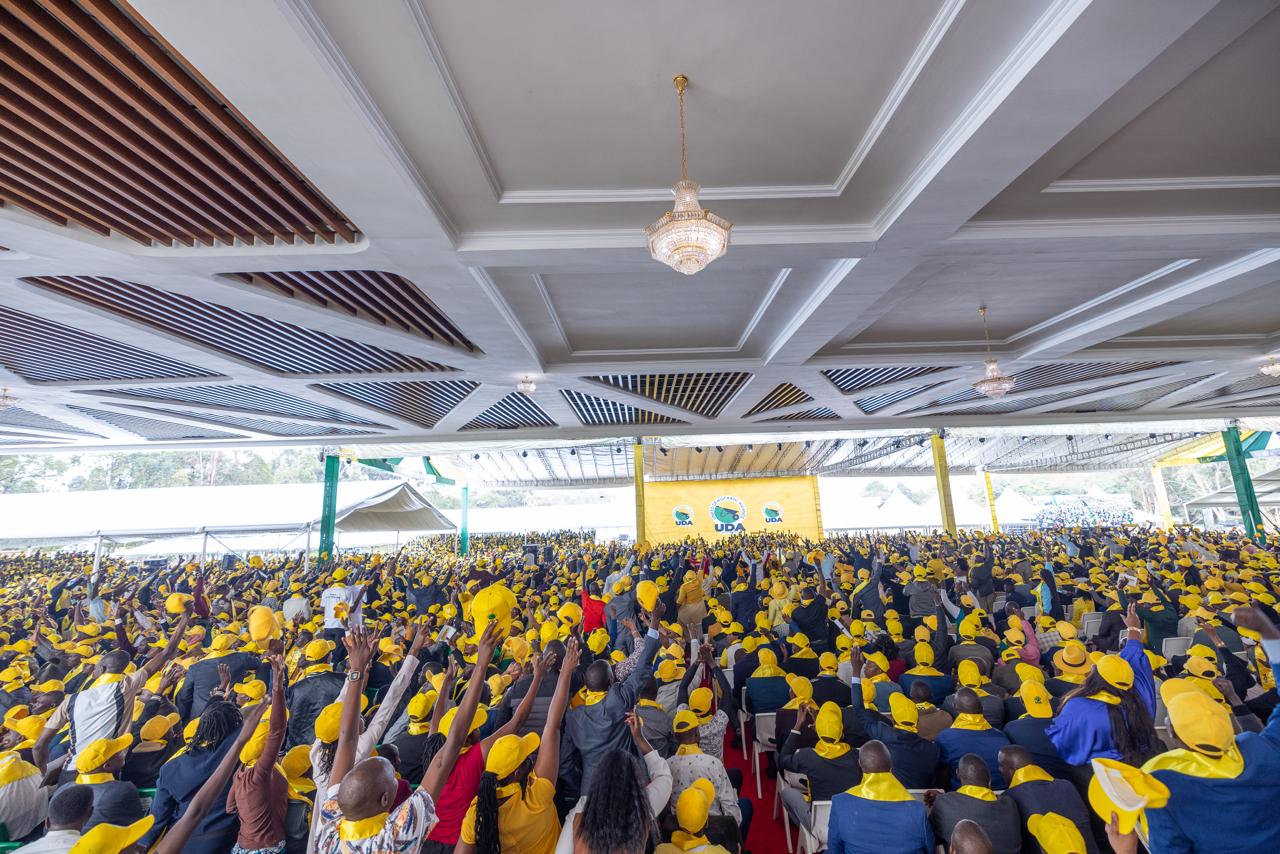
The petition, lodged on February 9, 2026, argues that public resources have been unlawfully deployed to advance the interests of the ruling United Democratic Alliance (UDA) party, violating key constitutional principles such as accountability, transparency, and the equitable use of taxpayer funds. Lempaa contends that State House, as a national institution funded by Parliament, should not serve as a venue for political party events, which he claims give UDA an unfair advantage in Kenya's multiparty democracy. The filing comes amid growing scrutiny of how public facilities are utilized, with the lawyer emphasizing that such practices undermine the integrity of state institutions.
The petition specifically names the Attorney General, the Comptroller of State House, the UDA party, and President William Ruto (in his official capacity) as respondents. Lempaa is requesting several key orders from the court: a declaration that hosting partisan activities at State House is unconstitutional; a permanent injunction preventing all political parties from using the premises for meetings or forums; an order for UDA to reimburse the state for costs associated with past events; and a mandate for the Comptroller to disclose the full financial details of these activities. To support his case, the petitioner cites multiple instances between April 2025 and February 2026 where State House allegedly hosted UDA-related gatherings, including regional leader engagements, party meetings, and a large aspirants' forum attended by thousands of party members and officials.
These events, according to the petition, involved the use of state security, staff, logistics, catering, and infrastructure without any reimbursement or public accounting, breaching Articles 10, 73, 75, 129, 131, 201, and 226 of the Kenyan Constitution, as well as provisions in the Political Parties Act prohibiting the promotion of party interests with public resources.
As of now, no responses have been issued by the respondents, and the case awaits scheduling at the High Court. This development underscores ongoing debates in Kenya about the boundaries between governmental operations and political maneuvering, especially under President Ruto's administration. Legal experts suggest that a favorable ruling could set a precedent for stricter oversight of public resource usage, potentially reshaping how state facilities are accessed by political entities.